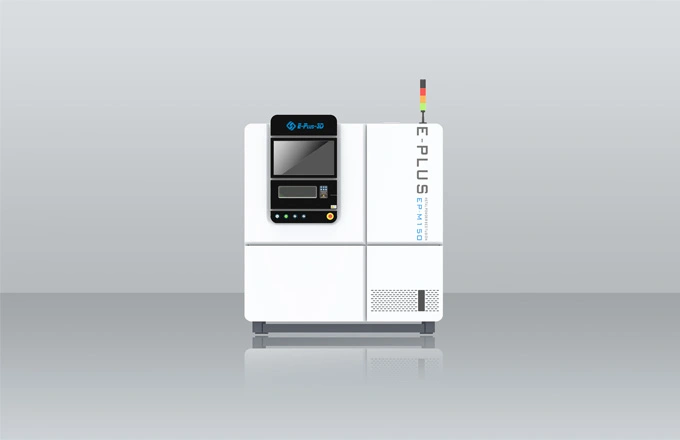
Metal 3D printing has become an important manufacturing technology for industries that require complex geometries, lightweight components, faster product development, and reduced material waste. Aerospace, automotive, medical, defense, energy, tooling, and engineering companies are increasingly adopting metal 3D printers to produce prototypes, functional parts, production components, and customized solutions.
However, selecting the right industrial metal 3D printer is not simply about choosing the machine with the highest specifications. The correct solution depends on several factors, including the application, material requirements, production volume, part size, accuracy, surface finish, post-processing needs, and long-term manufacturing goals.
A successful metal additive manufacturing strategy begins by understanding the manufacturing challenge and selecting the technology that best solves it.
This guide explains the key factors manufacturers should consider when choosing a metal 3D printing machine.
Table of Contents
1. Define Your Manufacturing Application First
The first step in selecting a metal 3D printer is understanding what you want to manufacture.
Different industries have different requirements.
For example:
Aerospace applications require:
Lightweight components
High-strength materials
Complex internal structures
Heat-resistant alloys
Weight optimization
Medical applications require:
Biocompatible materials
Patient-specific designs
High accuracy
Surface quality
Certification support
Automotive applications require:
Rapid prototyping
Lightweight components
Functional testing parts
Production tooling
Tooling applications require:
Wear resistance
Conformal cooling channels
High-temperature performance
Long service life
The best metal 3D printer is the one that matches your application requirements, not necessarily the most expensive machine.
2. Select the Right Metal 3D Printing Technology
Metal additive manufacturing includes multiple technologies. Each process has different strengths.
Metal Powder Bed Fusion (MPBF)
Metal Powder Bed Fusion is one of the most widely used metal 3D printing technologies.
It uses a laser or energy source to selectively melt metal powder layer by layer.
Material selection is one of the most important factors when choosing a metal 3D printer.
Different machines support different materials.
Common metal 3D printing materials include:
Titanium Alloys
Used for:
Aerospace components
Medical implants
Lightweight structures
Benefits:
High strength-to-weight ratio
Corrosion resistance
Biocompatibility
Stainless Steel
Used for:
Industrial components
Tooling
Engineering prototypes
Functional parts
Benefits:
Good mechanical properties
Corrosion resistance
Wide industrial usage
Inconel and Nickel Alloys
Used for:
Aerospace engines
Energy applications
High-temperature environments
Benefits:
Excellent heat resistance
High strength
Corrosion resistance
Tool Steel
Used for:
Injection mold inserts
Dies
Manufacturing tools
Benefits:
High hardness
Wear resistance
Better tooling performance
Before selecting a machine, confirm:
Available materials
Material certification
Powder quality
Supplier availability
Application suitability
4. Consider Build Volume and Part Size
Build volume determines the maximum size of components that can be produced.
Manufacturers should evaluate:
Maximum part dimensions
Number of parts per build
Batch production requirements
Future expansion needs
For small precision components, powder bed fusion systems may be suitable.
For large metal structures, WAAM or robotic additive manufacturing systems may provide better value.
The right build volume should match both current and future production requirements.
Schedule A Call
+91 990-000-3300
5. Check Accuracy and Surface Finish Requirements
Different applications require different levels of accuracy and surface quality.
Consider:
Dimensional tolerance
Surface roughness
Feature size
Post-processing requirements
Inspection standards
Metal 3D printed parts may require:
CNC machining
Heat treatment
Surface finishing
Shot blasting
Polishing
Inspection
The final production workflow should be considered before purchasing the machine.
6. Understand Production Volume and Speed
Production requirements strongly influence technology selection.
For:
Prototypes and low-volume production:
Metal 3D printing provides:
Faster design changes
Reduced tooling costs
Digital manufacturing flexibility
Large production quantities:
Manufacturers should evaluate:
Build speed
Machine utilization
Automation options
Material cost
Post-processing time
A printer with high theoretical speed may not always provide the lowest cost per part. The complete workflow should be evaluated.
7. Evaluate Software and Digital Workflow
Modern metal 3D printing requires more than hardware.
A complete system includes:
Build preparation software
Simulation tools
Process monitoring
Machine control
Data management
Quality documentation
Industry 4.0 manufacturing depends on connected digital workflows.
Advanced software helps improve:
Repeatability
Production tracking
Process optimization
Quality control
8. Plan Post-Processing Requirements
Post-processing is a critical part of metal additive manufacturing.
Depending on the application, manufacturers may require:
Powder removal
Support removal
Stress relief
Heat treatment
CNC machining
Surface finishing
Inspection
A metal 3D printer should be selected together with the required post-processing workflow.
9. Calculate Total Cost of Ownership
The purchase price of a metal 3D printer is only one part of the investment.
Manufacturers should consider:
Machine cost
Installation
Training
Materials
Software
Maintenance
Consumables
Post-processing equipment
Operator requirements
Service support
A lower-cost machine may not always provide the best long-term value.
ROI should be calculated based on:
Reduced tooling
Lower material waste
Faster development cycles
Reduced outsourcing
Improved production flexibility
10. Choose a Reliable Technology Partner
Metal additive manufacturing requires technical expertise beyond machine installation.
A reliable partner should provide:
Application evaluation
Material guidance
Machine selection
Installation support
Operator training
Process optimization
Maintenance
Technical assistance
The success of metal 3D printing depends on the complete ecosystem, not only the printer.
Lodestar 3D provides industrial additive manufacturing solutions including metal 3D printers, materials, software, post-processing solutions, and technical support for industries adopting advanced manufacturing technologies.
Metal 3D Printer Selection Checklist
Before investing, manufacturers should confirm:
✓ Application requirements are clearly defined ✓ Suitable metal printing technology is selected ✓ Required materials are supported ✓ Build volume matches production needs ✓ Accuracy requirements are achievable ✓ Post-processing workflow is planned ✓ Software capabilities meet production needs ✓ Total ownership cost is understood ✓ Supplier support is available ✓ ROI expectations are realistic
Conclusion
Choosing the right metal 3D printer requires a detailed understanding of your manufacturing goals, application requirements, materials, production volume, accuracy needs, and workflow.
Metal additive manufacturing can deliver significant advantages in industries where lightweight design, complex geometries, reduced waste, and faster innovation are important.
By selecting the right technology, material, machine configuration, and manufacturing partner, companies can successfully integrate metal 3D printing into their Industry 4.0 production strategy.
Lodestar 3D helps manufacturers identify the right metal additive manufacturing solution based on their applications, materials, production requirements, and long-term business objectives.
The best technology depends on the application. Powder Bed Fusion is suitable for detailed metal parts, while WAAM is better for large metal components.
Yes. Metal additive manufacturing can produce functional end-use parts when the correct material, process parameters, post-processing, and quality controls are applied.
The cost depends on technology, build size, materials, automation level, software, and application requirements. Manufacturers should evaluate total cost of ownership rather than only initial machine price.