Hot Isostatic Pressing Technology

HIP Technology Solutions in India for Research, Scale-Up & Production

Lodestar 3D offers Hot Isostatic Pressing systems for universities, R&D laboratories, additive manufacturing teams and industrial manufacturers that need controlled high-pressure and high-temperature processing.

From Laboratory Research to Production HIP

HIP system selection is not only about pressure. Buyers must align working-zone size, furnace temperature, material, gas environment, component geometry and production volume.
HIP System Selector

Which HIP System Is Right for Your Application?

Use this decision guide to identify the correct system family before requesting a technical proposal.
Need a compact laboratory HIP?
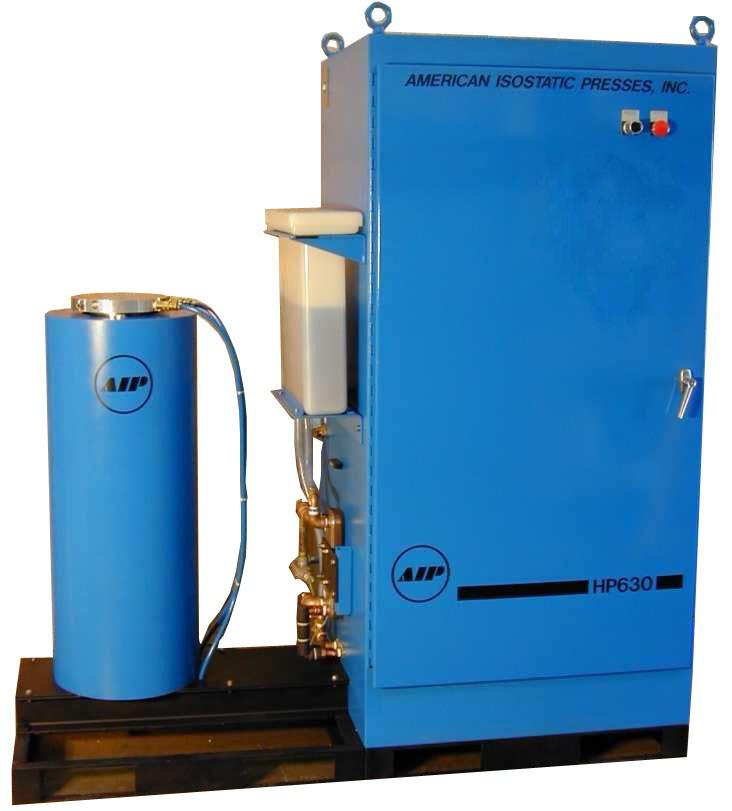
The AIP6-30H supports research work with a 75 mm × 125 mm source-listed hot zone and 207 MPa pressure.
Need to move beyond research?
The AIP10-30H provides a 150 mm diameter × 300 mm long hot zone for sample scale-up.
Need production capacity?
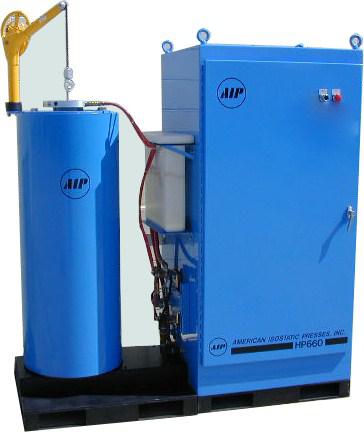
The AIP18-30H and AIP24-30H combine 207 MPa pressure with larger configurable working zones.
Need a large production hot zone?
The AIP52-15H features an 1100 mm diameter × 2500 mm long hot zone at 103 MPa.
Need a custom HIP configuration?
AIP can evaluate custom dimensions and higher or lower pressure requirements for specialised projects.

Not Sure Which HIP System Fits Your Application?

Lodestar 3D can map your pressure, temperature, hot-zone and production requirements to the right AIP system.
Pan-India HIP Support

HIP Technology Solutions for Indian Manufacturers & R&D Teams

Lodestar 3D supports buyers through system evaluation, furnace selection, pressure and working-zone assessment, installation planning and training coordination.
Source-listed pressure for AIP6-30H, AIP18-30H and AIP24-30H systems.
0 MPa
Source-listed carbon-furnace temperature on selected production HIP systems.
Up to 0 °C
Hot-zone dimensions provided for the large-production AIP52-15H.
1100 × 51 mm
System families for research, sample scale-up and industrial processing.
Lab to Production
Industries

Who Is Using HIP Technology?

Aerospace & Defence

Evaluate HIP for high-performance metal components and demanding qualification programmes.

Additive Manufacturing

Develop post-processing workflows for suitable metal AM components and production parts.

Industrial Manufacturing

Support casting, powder-metallurgy and advanced-component development workflows.

Research Laboratories

Study material behaviour under controlled high-pressure and high-temperature conditions.

Medical & Dental R&D

Evaluate suitable alloys, printed components and material-development processes.

Energy & Advanced Materials

Research demanding materials, components and scale-up processes for industrial use.
Need Expert Guidance Before Choosing a HIP System?

Lodestar 3D can help you evaluate pressure, furnace temperature, hot-zone dimensions, application requirements and scale-up goals.
Technology Overview

What Is Hot Isostatic Pressing?

Hot Isostatic Pressing uses elevated temperature and isostatic gas pressure inside a pressure vessel to process materials and components. Depending on the application, HIP may be evaluated for densification, porosity reduction, powder consolidation, diffusion bonding and improvement of material consistency.

Modern HIP systems combine furnace engineering, pressure-vessel design and computer-controlled operation. AIP offers configurations ranging from compact research systems to large production equipment, allowing customers to progress from laboratory trials to larger processing loads.

Why Workflow Planning Matters

The final system configuration depends on more than model name. Buyers must evaluate material, component size, furnace type, operating temperature, pressure, gas environment, cycle design and production volume together.

Always confirm application suitability, furnace compatibility, pressure rating, working-zone dimensions and installation requirements before final system selection.
Applications

Applications of Hot Isostatic Pressing

HIP technology should be selected according to the material, component, process objective, pressure, temperature and production requirements.

Metal Additive Manufacturing

Evaluate HIP cycles for suitable printed components requiring controlled post-processing.

Casting Densification

Develop processes for suitable cast components where internal porosity is a concern.

Powder Consolidation

Consolidate compatible powders or encapsulated materials under heat and pressure.

Diffusion Bonding

Evaluate bonded assemblies and compatible material combinations under controlled conditions.

Advanced Ceramics

Research suitable ceramic and high-temperature materials with validated furnace configurations.

Materials Research

Study material response and process parameters at laboratory or pilot scale.

Production Scale-Up

Move from small samples to larger components or production loads using larger HIP systems.

Custom HIP Processes

Evaluate special hot-zone, pressure, furnace and component-size requirements.

Why HIP?

Why Manufacturers Evaluate Hot Isostatic Pressing

HIP combines heat and isostatic gas pressure in a controlled process that can support research, material development and production workflows.
Advantage What It Means for Industrial Buyers?
Uniform pressure application
Gas pressure acts around the component, supporting an isostatic processing environment.
Porosity-focused processing
HIP may be evaluated where internal porosity or density consistency affects component requirements.
Research-to-production scalability
AIP system families cover compact laboratory models, scale-up systems and large production equipment.
Multiple furnace configurations
Selected models are available with iron, molybdenum, carbon and other furnace options.
Configurable working zones
Diameter and length vary with furnace type and temperature, while custom dimensions can be evaluated.
Advanced computer control
Computer-controlled systems support managed process operation and repeatable cycle development.
DLP Ceramic Process

CERAM PRO Fits Your Application

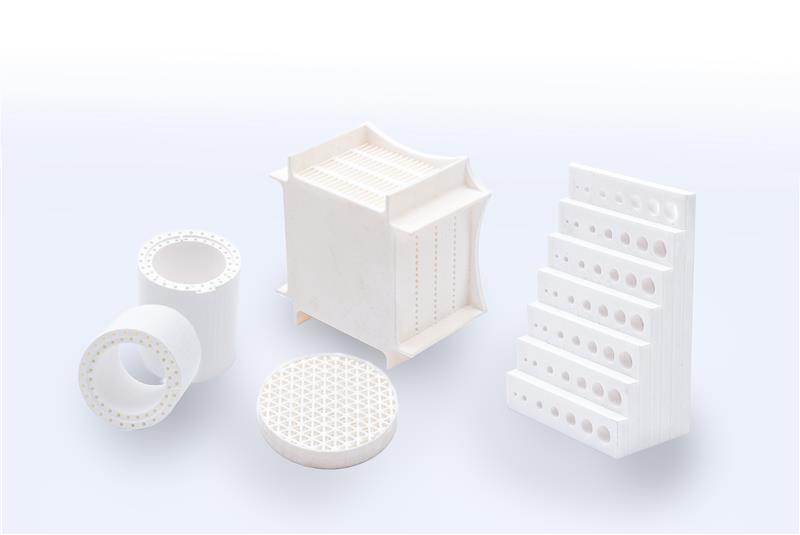
CERAM PRO ceramic 3D printers are designed to meet the requirements of industries that demand precision, reliability, and high-performance ceramic components. Whether you are developing prototypes, validating designs, or manufacturing end-use parts, the CERAM PRO series offers the accuracy, material compatibility, and process control needed for a wide range of applications
Ceramic-Part-Ceramic-3D-printing-Machines
Lodestar 3D HIP Range

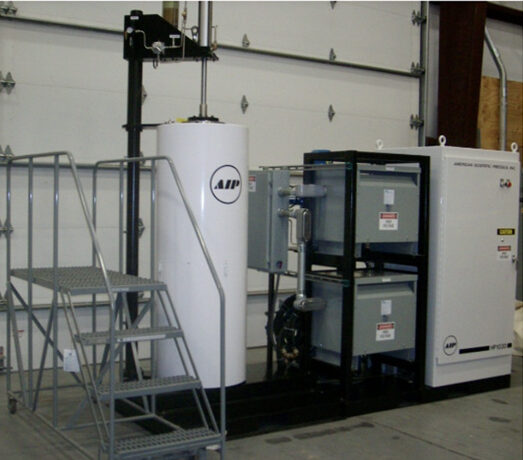
AIP Hot Isostatic Press Systems Offered by Lodestar 3D

Lodestar 3D supports AIP HIP system selection across laboratory research, scale-up and production requirements.

AIP6-30H Laboratory HIP

Compact laboratory system for research and controlled process development.

AIP10-30H Scale-Up HIP

Designed for users who need more than research but are not ready for full production.

AIP18-30H Production HIP

Production-scale system with configurable furnaces and working-zone dimensions.

AIP24-30H Production HIP

Higher-capacity production system for larger components and processing loads.

AIP52-15H Large Production HIP

Large production-sized system for substantial processing requirements.

Custom AIP HIP Systems

Custom dimensions and pressure configurations can be evaluated for specialised requirements.
HIP System Comparison

Compare Lodestar 3D HIP System Options

Use this comparison as a starting point. Final configuration should be confirmed according to material, furnace, pressure, hot-zone and production requirements.

System Best Fit Key Source-Provided Details
AIP6-30H Laboratory research and process development 207 MPa; 75 mm × 125 mm source-listed hot zone; plug-in furnace options.
AIP10-30H Sample scale-up between research and production 150 mm diameter × 300 mm long hot zone; reliable and simple operation.
AIP18-30H Smaller production requirements 207 MPa; 12–13 in diameter; 16–30 in length; threaded or plate-frame vessel.
AIP24-30H Larger production components and loads 207 MPa; 18–21 in diameter; 24–60 in length; threaded or plate-frame vessel.
AIP52-15H Large production-sized HIP processing 103 MPa; 1100 mm diameter × 2500 mm long hot zone.
Materials & Process

HIP Materials and Process Considerations

Material behaviour, temperature, pressure, component geometry and process goals should be evaluated together before selecting a HIP system.
Material / Process Area Common Evaluation Goal Important Buyer Considerations
Metal AM components Post-processing and density-focused process development Alloy, part geometry, required pressure, cycle temperature, support removal and qualification requirements.
Cast components Porosity-focused processing and material consistency Casting alloy, defect type, component size, temperature limits and production volume.
Powder consolidation Consolidation of compatible powders or encapsulated materials Powder chemistry, container design, furnace compatibility and final dimensional requirements.
Ceramics and advanced materials High-temperature material research and process development Material compatibility, furnace type, gas environment, cycle design and final performance requirements.

Take the Next Step with Lodestar 3D

From the first technical discussion to installation planning and training coordination, Lodestar 3D supports your HIP system evaluation in India.

Get a Quote

Share your requirements and get a tailored quote.

Workflow

Hot Isostatic Pressing Workflow

A HIP system is one part of the process. Final results depend on material preparation, loading strategy, pressure and temperature cycle, cooling, inspection and application validation.

1

Define Requirements

Confirm material, part size, process objective, pressure, temperature and production volume.

2

Select the HIP System

Match the application to the correct hot-zone, pressure, furnace and vessel configuration.

3

Prepare & Load

Prepare the component or material and position it within the validated furnace working zone.

4

Pressurise & Heat

Increase gas pressure and furnace temperature according to the approved cycle.

5

Hold

Maintain the required pressure and temperature for the defined process duration.

6

Cool & Depressurise

Return the system to safe unloading conditions through a controlled sequence.

7

Inspect & Validate

Evaluate dimensions, density, material properties and end-use requirements.
Technology Comparison

HIP vs CIP vs Conventional Heat Treatment

The correct process depends on whether the application requires heat, isostatic pressure, powder compaction or thermal treatment.
Technology Best For Key Difference
Hot Isostatic Pressing
Densification, porosity-focused processing, powder consolidation and selected bonding workflows
Combines elevated temperature with isostatic gas pressure inside a pressure vessel.
Cold Isostatic Pressing
Forming or compacting suitable powders before subsequent thermal processing
Applies isostatic pressure without the same high-temperature furnace cycle used in HIP.
Conventional Heat Treatment
Thermal property modification, stress relief and material-specific heat-treatment cycles
Uses controlled heating and cooling without the isostatic gas-pressure environment of HIP.
Why Choose Lodestar 3D?

Lodestar 3D Helps You Evaluate the Complete HIP Requirement

  • Application fit for research, scale-up or production HIP
  • Correct AIP system family based on pressure and hot-zone requirements
  • Furnace type and operating-temperature discussion
  • Working-zone, component-size and production-volume assessment
  • Custom-dimension and pressure-configuration discussions
  • Installation planning, training coordination and support in India

    For universities, additive manufacturing teams and industrial manufacturers, Lodestar 3D helps route the technical discussion toward the correct AIP HIP system before a quotation is prepared.

Hot Isostatic Pressing FAQs

Use these answers as an introduction. Final system selection should be based on a technical application review.
Hot Isostatic Pressing is a controlled process that combines elevated temperature with isostatic gas pressure inside a pressure vessel.
Lodestar 3D supports AIP laboratory, scale-up and production HIP systems, including the AIP6-30H, AIP10-30H, AIP18-30H, AIP24-30H and AIP52-15H.
System selection should consider material, component size, working-zone dimensions, pressure, furnace temperature, gas environment, production volume and process objective.
Laboratory systems are intended for smaller research samples and process development, while production systems provide larger working zones and higher processing capacity.
Yes. The supplied product information states that AIP can evaluate custom dimensions, while higher- and lower-pressure systems may also be available.
The AIP52-15H information provided for this page lists an 1100 mm diameter × 2500 mm long hot zone at 103 MPa.
Lodestar 3D coordinates technical discussions, installation planning and training support according to the final project scope.
Share your material, component dimensions, target pressure, furnace temperature, production volume and application goals with Lodestar 3D for technical evaluation.

    Agree to our terms and conditions.

      Agree to our terms and conditions.