Selective Laser Sintering (SLS)

SLS 3D Printing Solutions in India for Functional Polymer Parts & Production

Industrial selective laser sintering systems for R&D, functional prototyping, batch manufacturing and end-use polymer parts. Compare compact, large-format and high-temperature TPM3D SLS platforms around your part, material and production requirements.

Build a Complete SLS AM Workflow

Printer Selector

Which SLS 3D Printer Is Right for Your Application?

Start with the application, build envelope, polymer type, operating temperature and expected production volume.
Compact professional R&D
Office, lab, engineering prototypes and smaller batch workflows.
Education & research
Academic additive manufacturing, functional prototypes and process studies.
General industrial SLS
Functional parts and low-volume polymer production.
Large parts & batch production
Larger chamber capacity and dense production builds.
High-throughput large format
Large components and production-focused dual-laser workflows.
High-temperature polymers
PEEK, PEKK, PPS and advanced material development.
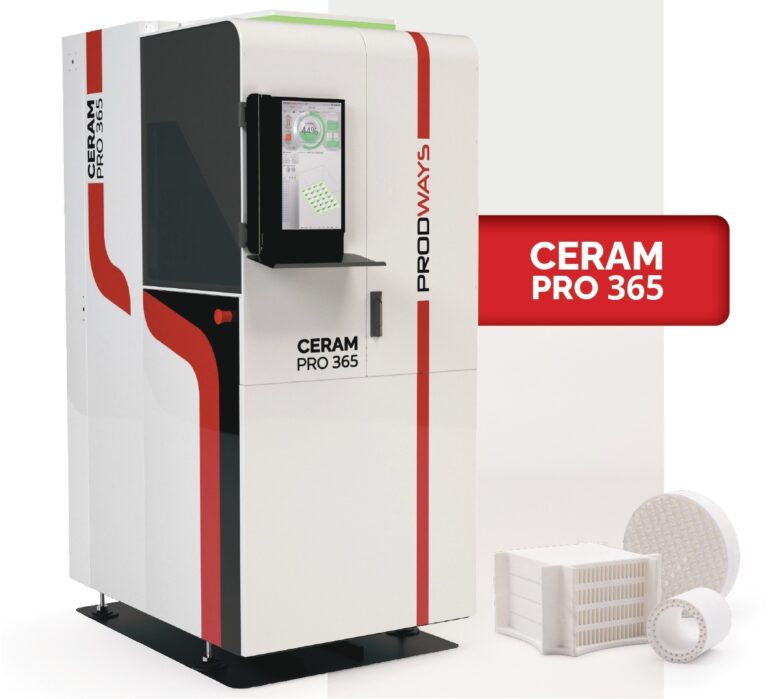
Ceramic 3D printing process using Lodestar3D Ceram PRO DLP printer for technical ceramic parts

Not Sure Which SLS Printer Fits Your Application?

Share your part dimensions, material, quantity and end-use requirement for a system-level discussion.

For Industrial Polymer Additive Manufacturing

SLS 3D Printing Solutions for Indian Manufacturers & R&D Teams

SLS can support functional prototyping, complex polymer components, low-volume production and material development without dedicated support structures inside the powder bed.
TPM3D SLS systems included in this page architecture
0
Build chamber width range across the featured current systems
200 - 200 mm
Laser system options for different throughput requirements
0 Single + Dual
High-temperature platform class for advanced polymers
Up to 300 350°C
Industry Use

Who Is Using SLS 3D Printers?

Education

Hands-on polymer powder-bed-fusion research and advanced manufacturing training.

Service Bureaus

Nested customer parts, mixed geometries and repeat production builds.

Medical

Customized devices, anatomical models and selected validated applications.

Aerospace

Lightweight ducts, brackets, prototypes, tooling and complex polymer parts.

Automotive

Functional prototypes, housings, clips, fixtures and low-volume components.

R&D Centres

Material evaluation, process development and engineering validation.

SLS 3D Printing Material

Need Expert Guidance Before Choosing a System?

Printer selection should consider the full workflow – not only build volume.
Technology Overview

What’s New in SLS 3D Printing?

SLS is a polymer powder-bed-fusion process in which a laser selectively sinters regions of a powder layer according to the sliced CAD geometry. The platform repeats powder recoating and laser scanning until the full part is formed inside the powder cake.

For industrial buyers, current system selection increasingly focuses on build utilization, laser architecture, thermal control, material compatibility, powder refresh strategy, closed-loop powder handling and production repeatability.

Why use selective laser sintering?

Support-free complexity inside the powder bed

  • Unsintered powder supports the part during the build.
  • Multiple parts can be nested throughout the available chamber volume.
  • Functional nylons, flexible polymers and reinforced materials can be evaluated.
  • High-temperature SLS systems extend the process to advanced polymers.
Applications

Applications of SLS 3D Printing

Evaluate SLS when complexity, functional polymer performance, small-batch production and digital design flexibility are central to the requirement.

Functional Prototypes

Fit, function and engineering validation before final production decisions.

End-Use Polymer Parts

Selected low-volume functional parts using suitable polymer materials.

Jigs & Fixtures

Lightweight custom manufacturing aids, guides and assembly fixtures.

Complex Ducts & Housings

Organic shapes, passages and geometries difficult to tool conventionally.

Batch Manufacturing

Multiple components nested in one build for repeatable production.

Wearables & Consumer Parts

Customized geometries, ergonomic forms and selected flexible components.

Material Development

Study polymer formulations, reinforcement, parameters and part performance.

Research & Education

Powder-bed-fusion training, process studies and additive manufacturing R&D.

Why Consider SLS?

Why Manufacturers Are Evaluating SLS 3D Printing


Manufacturing Requirement How SLS Can Address It
Complex parts without tooling
Build geometry directly from a digital model and avoid dedicated mould tooling for every iteration.
Support-intensive geometries
Surrounding powder supports the part, allowing many geometries to print without dedicated support structures.
Multiple parts in one build
3D nesting can use more of the available chamber volume for mixed or repeated components.
Functional polymer prototypes
Engineering polymer powders can support fit, function and application testing when appropriately selected.
Low-volume production
Digital production can reduce dependence on conventional tooling for smaller production quantities.
Advanced polymer requirements
High-temperature SLS platforms can extend material capability to PEEK, PEKK and PPS-class applications.
DLP Ceramic Process

CERAM PRO Fits Your Application

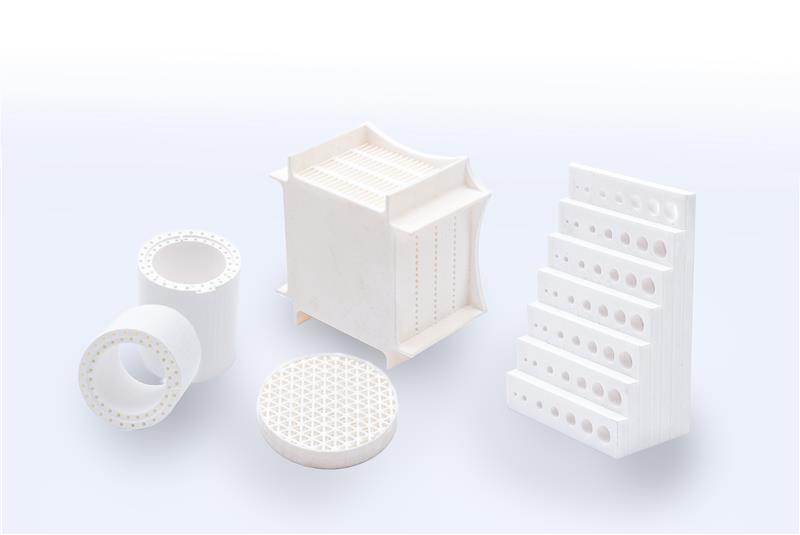
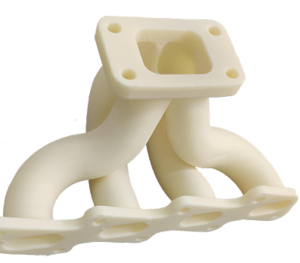
CERAM PRO ceramic 3D printers are designed to meet the requirements of industries that demand precision, reliability, and high-performance ceramic components. Whether you are developing prototypes, validating designs, or manufacturing end-use parts, the CERAM PRO series offers the accuracy, material compatibility, and process control needed for a wide range of applications
Ceramic-Part-Ceramic-3D-printing-Machines
Lodestar 3D SLS Range

TPM3D SLS 3D Printers Offered by Lodestar 3D

Use these cards as the technology-page gateway to the individual product pages.

TPM3D CF200 & PPS200

Compact SLS printing with integrated powder-processing workflow for R&D and professional environments.

TPM3D S260

Compact industrial SLS platform for universities, research centres and functional polymer prototyping.

TPM3D P360

Industrial SLS system for functional prototyping and medium-size polymer production requirements.

TPM3D S360

Flexible polymer SLS platform balancing chamber capacity, accuracy and industrial production needs.

TPM3D S480

High-precision SLS system with a larger chamber for industrial parts and denser production builds.

TPM3D P550DL

Large-format dual-laser SLS for high-capacity batch builds and larger polymer components.

TPM3D S600DL

Large industrial dual-laser SLS platform for large parts and production-focused polymer additive manufacturing.

TPM3D S320HT

High-temperature SLS platform for advanced polymers including PEEK, PEKK and PPS.

TPM3D S150HT

Compact high-temperature SLS system for PEEK-oriented research and advanced polymer development.
3D Printer Comparision

TPM3D SLS 3D Printer Comparison

Use the comparison to shortlist systems, then validate the final configuration against material, part geometry, powder workflow and site requirements.
Model Build Chamber Laser Primary Fit Key Selection Point
CF200 + PPS200 200 × 200 × 320 mm 30 W fiber Compact R&D / professional use Small footprint plus integrated powder-processing concept.
S260 260 × 260 × 450 mm 30 W CO₂ Education & research Industrial SLS architecture in a research-oriented format.
P360 360 × 360 × 600 mm 60 W CO₂ General industrial SLS Performance-series option for medium-size builds.
S360 360 × 360 × 600 mm 60 W CO₂ Functional parts / low volume Flexible industrial polymer production platform.
S480 480 × 480 × 600 mm 100 W CO₂ Larger parts & batches Higher chamber capacity and scanning performance.
P550DL 550 × 550 × 850 mm 2 × 140 W CO₂ Large-format production Dual-laser throughput with tall build capacity.
S600DL 600 × 600 × 800 mm 2 × 140 W CO₂ Large industrial production Largest chamber in the featured TPM3D range.
S320HT 320 × 320 × 380 / 250 × 250 × 380 mm 60 W CO₂ PEEK / PEKK / PPS High-temperature processing architecture.
S150HT 150 × 150 × 250 mm 60 W CO₂ High-temperature R&D Compact advanced-polymer development.
Materials

SLS Materials and Process Considerations

Material compatibility is system-dependent. Final material selection should be validated against the printer configuration and the required performance.
Material / Factor Typical Consideration What to Evaluate Before Selection
PA12 Widely used engineering nylon for functional prototypes and production parts. Strength, stiffness, dimensional needs, finish and powder refresh strategy.
PA11 Alternative nylon with different toughness and ductility characteristics. Impact performance, flexibility and application-specific qualification.
TPU Flexible polymer for elastic and deformable parts. Shore hardness, geometry, recovery behaviour and powder handling.
Reinforced Nylon Glass- or carbon-reinforced formulations for increased stiffness. Abrasiveness, anisotropy, finishing and mechanical requirements.
PP Lightweight polymer option for selected industrial applications. Material availability, process window and desired part behaviour.
PEEK / PEKK / PPS High-performance polymers requiring controlled elevated-temperature processing. High-temperature machine capability, process qualification and end-use environment.
Powder Reuse Unsintered powder may be recovered and blended according to the material workflow. Virgin-powder ratio, refresh policy, aging and consistency requirements.
SLS 3D Printing Material

Take the next step with Lodestar 3D.

Share your part, material and production requirement for an SLS system evaluation.

Get a Quote

Share your requirements and get a tailored quote.

Workflow

SLS 3D Printing Workflow: From CAD to Functional Polymer Part

Use this horizontal step sequence to mirror the workflow treatment on the reference page.

1

Evaluate

Define part size, material, quantity and performance needs.

2

Prepare CAD

Check wall thicknesses, clearances and build-ready geometry.

3

Nest Parts

Arrange components through the usable build volume.

4

Prepare

Load the qualified material and required powder blend.

5

Laser Sinter

Recoating and scanning repeat layer by layer.

6

Cool

Allow the build and powder cake to cool as required.

7

Depowder

Remove parts, recover powder and clean the build.

8

Finish

Apply finishing and verify dimensional or functional requirements.
Technology Comparison

SLS vs Polymer SLA vs FDM

Technology SLS SLA FDM
Feedstock Polymer powder Liquid photopolymer resin Thermoplastic filament
Support Strategy Surrounding powder supports parts Dedicated supports often required Supports commonly required for overhangs
Typical Strength Functional polymer parts and nested production Fine detail and smooth resin surfaces Accessible thermoplastic prototyping and tooling
Post-Processing Cooling, depowdering, optional finishing Washing, curing, support removal Support removal, optional machining/finishing
Best Starting Point Complex functional parts and batches High-detail visual or master models Engineering prototypes and thermoplastic parts
Why Lodestar 3D?

Lodestar 3D Helps You Evaluate:

  • Part envelope and nesting requirement
  • Polymer and mechanical properties
  • High-temperature material requirements
  • Single- vs dual-laser architecture
  • Powder recovery and reuse workflow
  • Production throughput and batch size
  • Post-processing and finishing needs
  • Installation, utilities and operator workflow
SLS 3D Printing Material

Your Questions Answered (FAQ)

Frequently asked questions for industrial buyers evaluating SLS polymer additive manufacturing.
Selective Laser Sintering is a powder-bed-fusion process in which a laser selectively sinters polymer powder layer by layer to manufacture a three-dimensional part.
Dedicated support structures are generally not required because the surrounding unsintered powder supports the parts during the build.
CF200 + PPS200 and S260 are logical starting points where compact professional use, research or education is central to the requirement.
S480, P550DL and S600DL provide larger build chambers. P550DL and S600DL use dual-laser configurations for production-oriented workflows.
S150HT and S320HT are high-temperature platforms. S320HT is positioned for advanced polymers including PEEK, PEKK and PPS.
Depending on machine configuration and qualified material availability, SLS workflows may include PA11, PA12, TPU, PP, reinforced nylon formulations and selected high-performance polymers.
Unsintered powder is removed from the part, recovered and handled according to the material-specific refresh, sieving and reuse strategy.
Yes. SLS is commonly evaluated for functional prototypes and low-volume polymer manufacturing because multiple parts can be nested within the build chamber.
Provide the part drawing or dimensions, material, expected quantity, functional requirements, operating environment and any post-processing constraints.

    Agree to our terms and conditions.
    Your information will be securely sent to and stored in Google Sheets for the purpose of processing your form submission.

      Agree to our terms and conditions.
      Your information will be securely sent to and stored in Google Sheets for the purpose of processing your form submission.