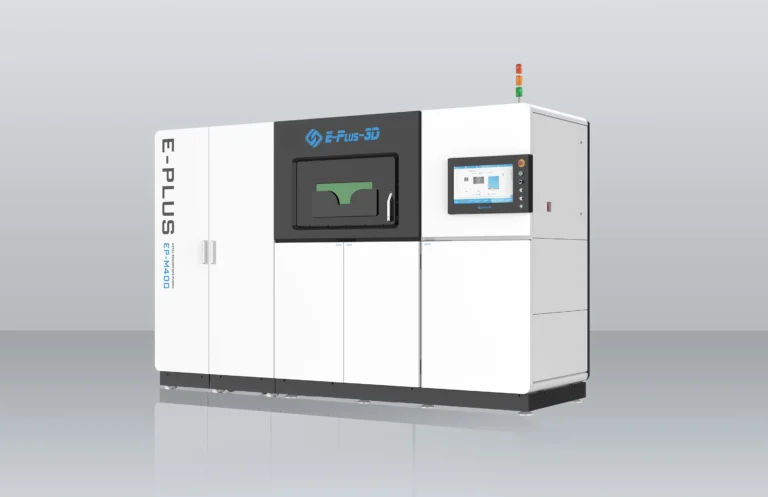
Metal 3D printing is becoming an important manufacturing technology for industries looking to produce complex metal components, reduce material waste, shorten development cycles, and improve production flexibility.
However, one of the most common questions from manufacturers is:
“How much does metal 3D printing cost in India?”
The answer depends on several factors. Unlike traditional manufacturing methods, where cost is often calculated based on machining time or material usage, metal additive manufacturing involves multiple cost elements, including machine technology, metal powder or wire material, build time, post-processing, inspection, software, and operational requirements.
A metal 3D printer is not only a machine investment. It is a complete manufacturing ecosystem that includes hardware, materials, software, process development, maintenance, and technical expertise.
This guide explains the major factors that influence metal 3D printing cost in India and how manufacturers can evaluate the total investment.
[Internal Link: Metal 3D Printing Solutions]
Table of Contents
Understanding Metal 3D Printing Cost in India
The cost of metal 3D printing can be divided into two main categories:
1. Metal 3D Printer Investment Cost
This includes purchasing and installing an industrial metal additive manufacturing system.
2. Production Cost Per Part
This includes:
Material consumption
Machine operating time
Labour
Energy consumption
Post-processing
Inspection
Maintenance
Software and consumables
A manufacturer must evaluate both initial investment and ongoing production costs before selecting a metal 3D printing solution.
Typical Metal 3D Printer Cost Range in India
The price of an industrial metal 3D printer in India varies significantly depending on technology, build volume, automation level, and application requirements.
Material selection significantly affects metal 3D printing cost.
Common materials include:
Titanium Alloys
Used in:
Aerospace
Medical implants
Lightweight components
Titanium provides:
High strength-to-weight ratio
Corrosion resistance
Biocompatibility
However, titanium powder is expensive due to production complexity and handling requirements.
Stainless Steel
Used for:
Industrial components
Tooling
Functional prototypes
Advantages:
Good mechanical properties
Corrosion resistance
Lower cost compared with premium alloys
Inconel and Nickel Alloys
Used for:
Aerospace engines
Energy applications
High-temperature environments
These materials provide:
High temperature resistance
Corrosion resistance
Mechanical stability
However, they significantly increase production cost because of their material value.
Tool Steel
Used for:
Injection molds
Dies
Manufacturing tools
Benefits:
High hardness
Wear resistance
Long tool life
3. Part Size and Build Volume
The size of the component directly affects printing cost.
Larger parts require:
More material
Longer printing time
More energy
More post-processing
More inspection
For example:
A small medical component may require only a few hours of printing.
A large aerospace or industrial component may require several days depending on geometry and technology.
Manufacturers should optimize part orientation and build layout to improve machine utilization.
Schedule A Call
+91 990-000-3300
4. Printing Time and Machine Utilization
Metal 3D printing cost is strongly influenced by machine operating hours.
Factors affecting print time include:
Layer height
Part geometry
Material
Build orientation
Number of parts in one build
Machine parameters
Higher machine utilization reduces cost per part.
Manufacturers producing multiple parts in a single build can achieve better economics compared with producing one part at a time.
5. Post-Processing Cost
Post-processing is one of the most important cost factors in metal additive manufacturing.
Most metal 3D printed parts require additional finishing.
Common processes include:
Powder removal
Support removal
Heat treatment
Stress relief
CNC machining
Surface finishing
Shot blasting
Polishing
Inspection
Testing
The final part cost should include the complete workflow, not only the printing stage.
[Internal Link: Post Processing Solutions]
6. Software and Digital Workflow Costs
Industrial metal 3D printing requires advanced software for:
Build preparation
Support generation
Simulation
Parameter management
Process monitoring
Quality documentation
Software helps manufacturers improve:
Repeatability
Production efficiency
Process control
Part quality
For Industry 4.0 manufacturing environments, digital workflow capability is becoming increasingly important.
7. Installation and Infrastructure Requirements
Industrial metal 3D printers require proper infrastructure.
Additional costs may include:
Site preparation
Electrical requirements
Ventilation
Gas supply
Powder handling area
Safety equipment
Temperature control
Operator training
Some metal systems require dedicated production environments to ensure safe and stable operation.
8. Maintenance and Operational Costs
Long-term operating costs include:
Preventive maintenance
Spare parts
Consumables
Filters
Powder management
Calibration
Technical support
A reliable service partner can significantly improve machine uptime and reduce unexpected downtime.
9. Metal 3D Printing Service Cost in India
Not every company needs to purchase a metal 3D printer.
Many manufacturers start by using metal 3D printing services before investing in equipment.
Service cost depends on:
Material
Part size
Printing technology
Build time
Post-processing
Inspection requirements
Quantity
Outsourcing can be suitable for:
Prototypes
Low-volume parts
R&D projects
Custom components
Technology evaluation
How to Reduce Metal 3D Printing Cost
Manufacturers can reduce costs through better planning.
Optimize Part Design
Use:
Topology optimization
Lightweight structures
Part consolidation
Reduced support structures
Improve Build Efficiency
Increase productivity by:
Printing multiple parts together
Optimizing orientation
Reducing unnecessary supports
Select the Right Material
Choose materials based on actual performance requirements instead of automatically selecting premium alloys.
Combine Additive and CNC Manufacturing
Hybrid manufacturing can reduce cost by using metal 3D printing for complex geometry and CNC machining for final precision surfaces.
Is Metal 3D Printing Cost-Effective?
Metal 3D printing is not always cheaper than traditional manufacturing.
It becomes cost-effective when manufacturers need:
Complex geometries
Lightweight components
Reduced tooling
Faster development
Low-volume production
Customized parts
Expensive material efficiency
Supply chain flexibility
For simple, high-volume components, traditional manufacturing may still provide better economics.
The value of metal additive manufacturing comes from solving problems that conventional methods cannot efficiently address.
Conclusion
The cost of metal 3D printing in India depends on much more than the printer price. Technology selection, materials, part size, production requirements, post-processing, software, and operational needs all influence the final investment.
For manufacturers, the right approach is to evaluate total cost of ownership and business value rather than focusing only on initial machine cost.
Metal additive manufacturing can deliver significant advantages in aerospace, automotive, medical, defense, tooling, and industrial applications where complexity, customization, lightweight design, and material efficiency are important.
Lodestar 3D helps companies select the right metal 3D printing technology, materials, workflow, and production strategy based on their manufacturing goals.
The cost depends on technology, build size, materials, automation, and application requirements. Industrial metal 3D printers can range from advanced R&D systems to large production platforms requiring significant investment.
Metal 3D printing involves advanced equipment, expensive metal materials, specialized software, post-processing, inspection, and skilled technical support.
The most suitable technology depends on the application. WAAM systems can be cost-effective for large metal parts, while powder bed systems are preferred for high-detail components.
It depends on the part. Metal 3D printing can reduce costs for complex, lightweight, and low-volume parts, while CNC machining is often more economical for simple high-volume production.