The Complete Industrial 3D Printer Buying Guide for Manufacturers (2026)
Source: Lodestar3d.com
Buying an industrial 3D printer in 2026 is not only an equipment decision. It is a production strategy decision. For manufacturers, R&D teams, tooling departments, aerospace suppliers, automotive companies, defense organizations, medical manufacturers, and engineering businesses, the right additive manufacturing system can reduce lead time, improve design flexibility, support low-volume production, and strengthen supply-chain control.
The wrong system can create serious challenges, including poor machine utilization, limited material options, high post-processing cost, inconsistent part quality, and unclear return on investment.
This industrial 3D printer buying guide explains how manufacturers should evaluate technology, material compatibility, build size, accuracy, throughput, software, post-processing, quality control, and supplier support before investing in an industrial additive manufacturing system.
Lodestar 3D supports Indian manufacturers with industrial 3D printers, materials, additive manufacturing software, post processing solutions, and technical support across metal, polymer, SLS, SLA, EBM, WAAM, ceramic, and other advanced technologies.
Table of Contents
1. Start with the Application
The first step is not choosing a printer. The first step is identifying the application.
Before comparing machines, manufacturers should answer:
What parts need to be produced?
Are they prototypes, tools, fixtures, or end-use parts?
What material properties are required?
What part size must be supported?
What accuracy and surface finish are needed?
What production volume is expected?
What post-processing will be required?
What problem should additive manufacturing solve?
The best industrial 3D printer is not always the fastest or most expensive machine. It is the system that matches the company’s real manufacturing requirement.
For example, an aerospace R&D team, automotive tooling department, medical device manufacturer, and foundry may all need additive manufacturing, but each will require a different machine, material workflow, and post-processing strategy.
2. Choose the Right 3D Printing Technology
Industrial 3D printing includes different process categories. Each has specific strengths and limitations. Metal Powder Bed Fusion
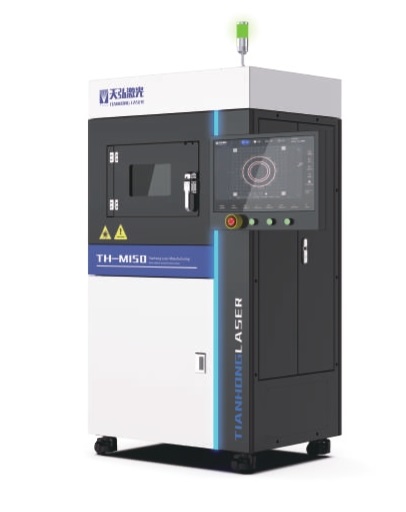
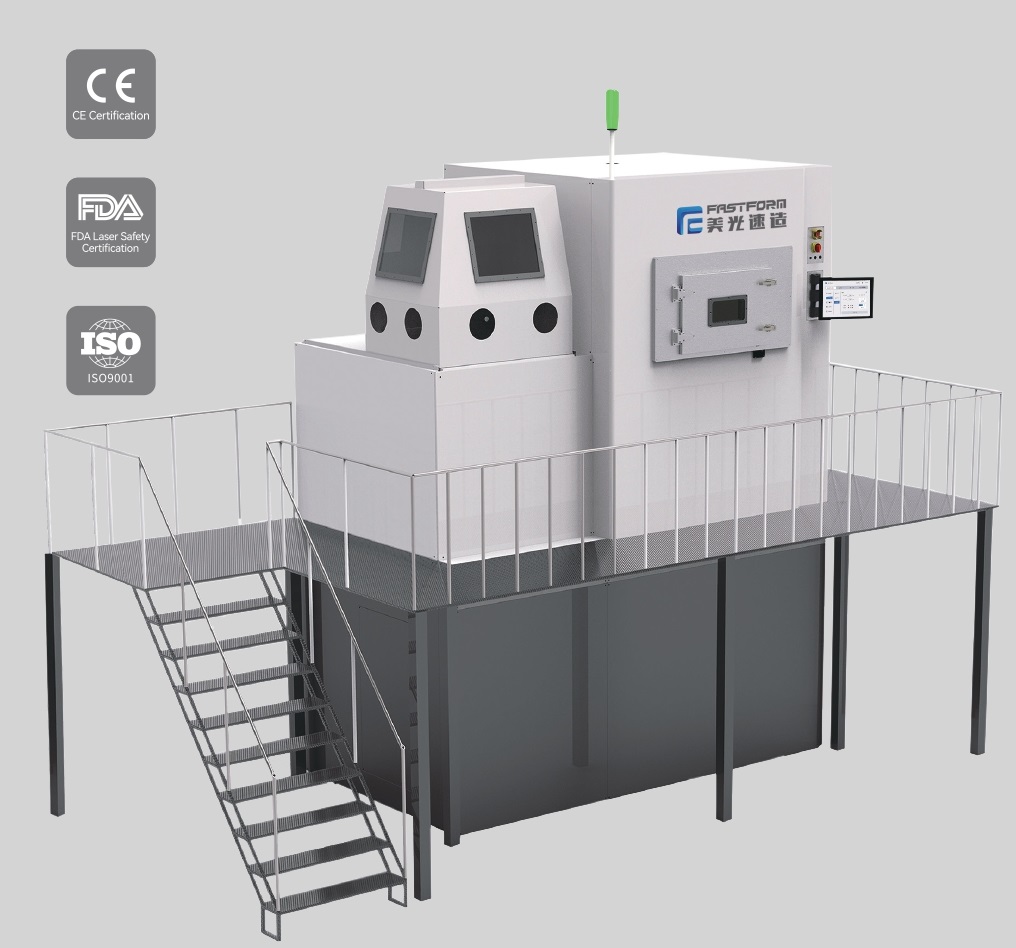
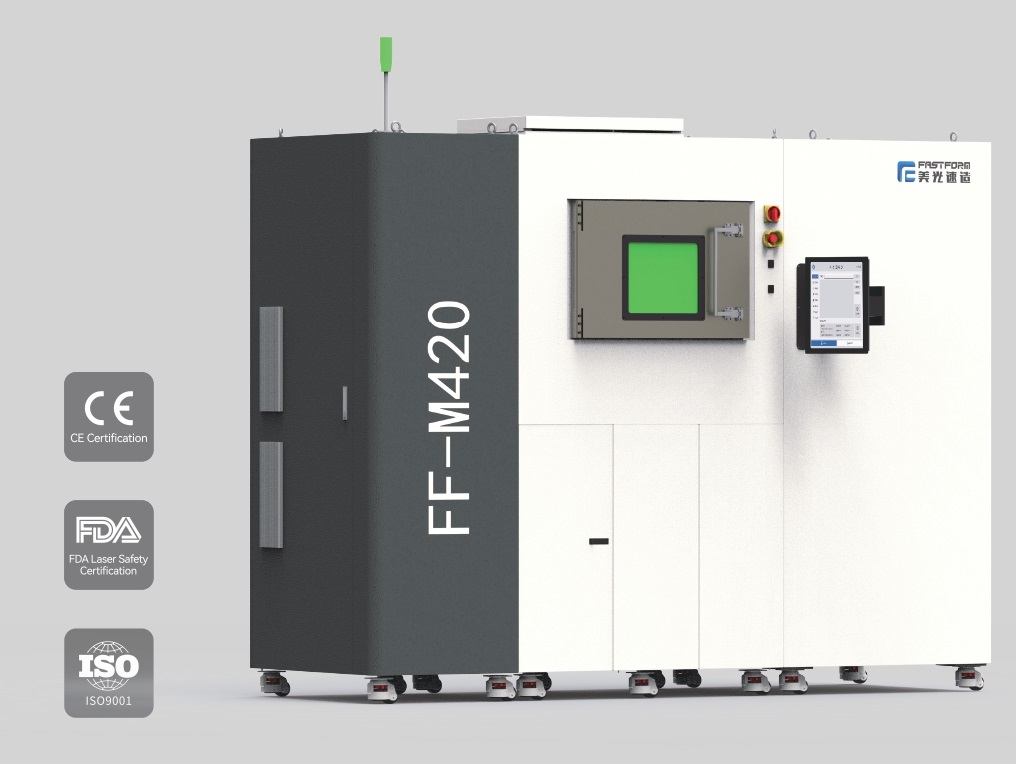
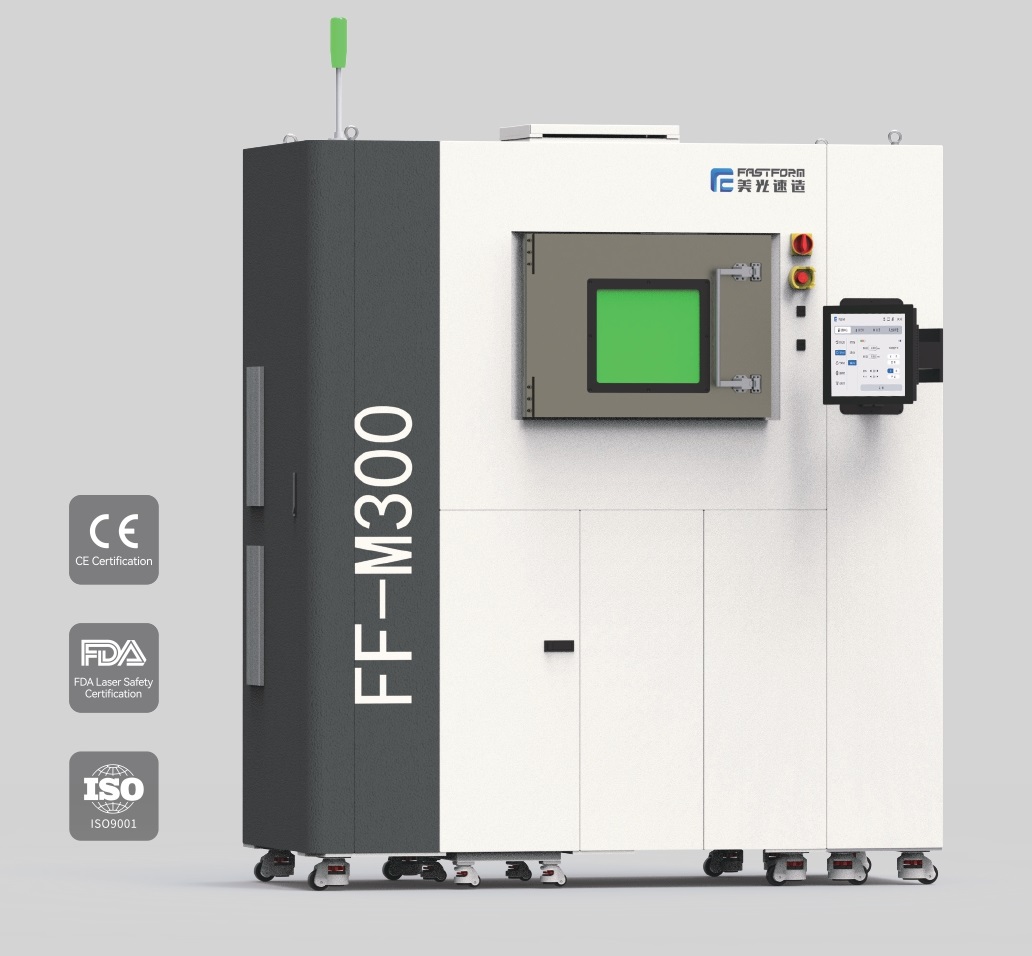
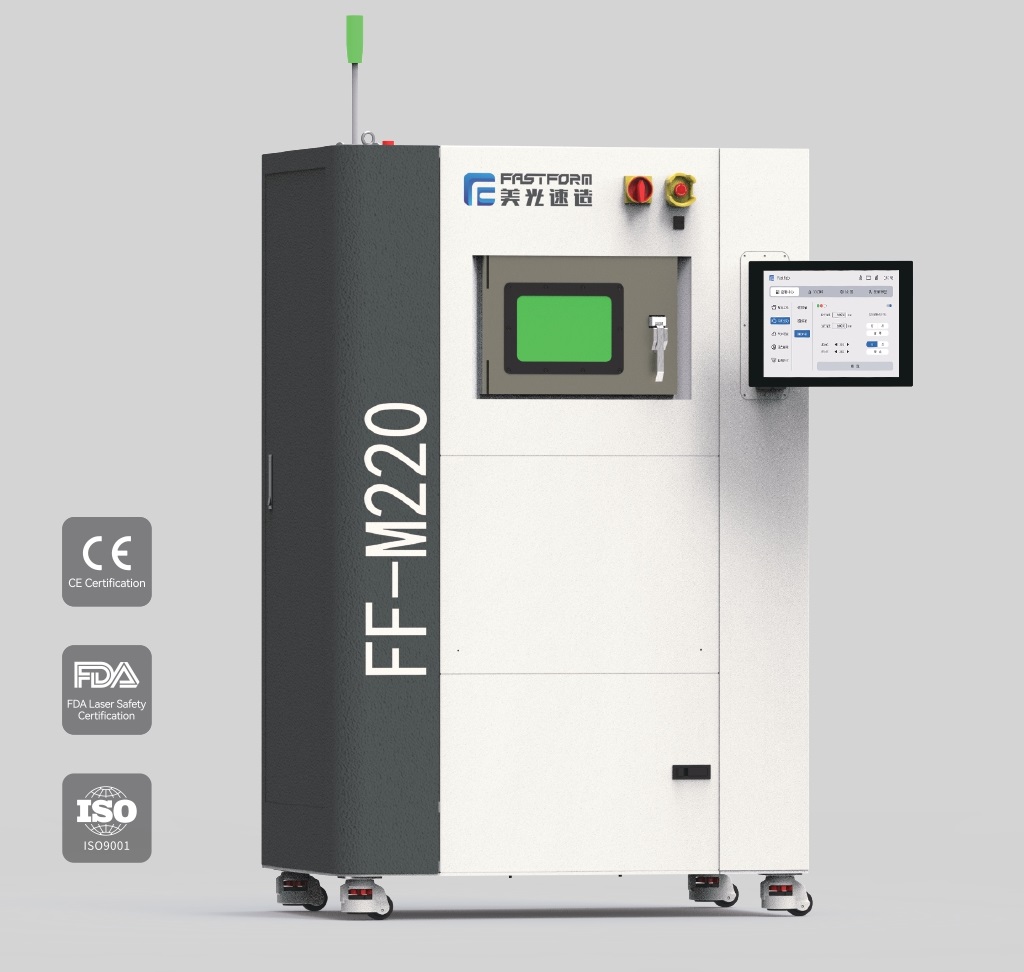
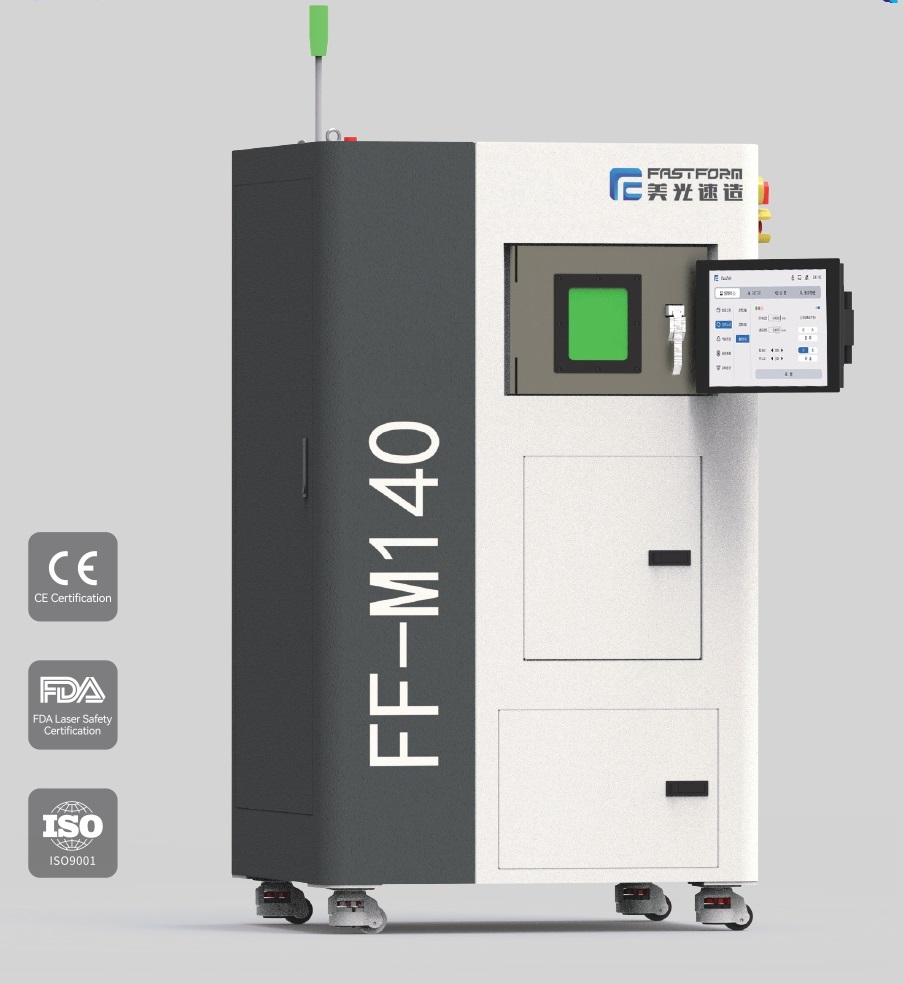
Metal Powder Bed Fusion is suitable for small to large metal parts with complex geometries, fine details, internal channels, and high-performance requirements.
It is often used for aerospace brackets, medical implants, dental parts, heat exchangers, tooling inserts, and complex engineering components.
This process offers strong geometric capability, but it also requires powder handling, support removal, heat treatment, machining, and strict quality control.
Electron Beam Melting
Electron Beam Melting, or EBM, uses an electron beam to melt metal powder in a vacuum environment. It is used for selected high-performance metal applications, especially in aerospace, medical, and advanced engineering sectors.
EBM is suitable where material behavior, vacuum processing, and thermal control are important.
Wire Arc Additive Manufacturing
Wire Arc Additive Manufacturing, or WAAM, uses metallic wire and an arc-based heat source to build large near-net-shape metal components.
WAAM is useful for large structures, repair, tooling, heavy engineering parts, aerospace preforms, marine components, and defense applications.
WAAM parts usually require machining after printing, but the technology can reduce material waste and build large components faster than many powder-based systems.
Selective Laser Sintering
SLS is a polymer powder-bed technology used for strong functional parts without support structures.
It is useful for functional prototypes, automotive components, aerospace ducting, jigs, fixtures, end-use polymer parts, and low-volume production.
SLS is a strong option when manufacturers need strength, design freedom, and batch production capability.
Stereolithography
SLA uses light to cure resin layer by layer. It is suitable for high-detail parts with smooth surfaces.
Common applications include visual prototypes, dental models, engineering validation models, molds, patterns, and high-resolution components.
SLA is valuable where accuracy and surface finish are important, but resin properties must match the application.
Ceramic 3D Printing
Ceramic additive manufacturing is used for technical ceramic parts, investment casting workflows, material research, heat-resistant components, and advanced ceramic prototypes.
Ceramic printing requires a complete workflow that includes printing, cleaning, debinding, sintering, and finishing.
Material compatibility is one of the most important buying criteria.
Manufacturers should not ask only, “Can this machine print this material?” They should ask, “Can this machine produce this material with the required performance?”
Important material factors include:
Strength
Heat resistance
Chemical resistance
Wear resistance
Fatigue performance
Biocompatibility
Dimensional stability
Surface behavior
Post-processing compatibility
Density, porosity
For metal systems, buyers must also consider powder or wire quality, material storage, recycling, safety, and traceability.
For polymer systems, buyers should evaluate whether the material supports functional testing, flame retardancy, temperature resistance, flexibility, or end-use performance.
Build volume defines the maximum part size a printer can produce. However, it should not be evaluated alone.
A large build chamber is useful only if the machine can maintain consistent quality across the full build area.
Manufacturers should evaluate:
Maximum part size
Usable build area
Batch nesting capacity
Support requirements
Build orientation
Shrinkage allowance
Thermal distortion risk
Post-processing access
For large metal components upto 3 metres Metal powder bed fusion technologies, and for ultra large components WAAM or robotic additive manufacturing may be more practical than enclosed powder-bed systems.
For smaller complex parts, powder-bed technologies may offer better detail and accuracy.
5. Understand Accuracy and Surface Finish
Industrial 3D printing is not only about creating a shape. It is about producing a part that meets technical requirements.
Buyers should clarify:
Required tolerance
As-printed surface finish
Final surface finish after post-processing
Repeatability across builds
Critical features that need machining
Inspection method
Acceptable dimensional variation
Many industrial printed parts require secondary operations such as support removal, machining, polishing, heat treatment, sintering, curing, or surface finishing.
A good buying decision includes the complete workflow, not only the printing stage.
Schedule A Call
+91 990-000-3300
6. Calculate Total Throughput
Print speed is often misunderstood. A machine may print quickly but still have poor productivity if setup, cleaning, cooling, post-processing, and inspection take too long.
Manufacturers should calculate complete throughput, including:
Build preparation
Printing time
Cooling time
Cleaning or depowdering
Debinding or sintering
Support removal
Heat treatment
CNC machining
Surface finishing
Inspection and testing
For production users, machine utilization and batch efficiency are more important than advertised print speed.
7. Review Software and Digital Workflow
Software is central to industrial additive manufacturing. It supports build preparation, nesting, support generation, simulation, process parameters, machine control, traceability, and quality documentation.
Manufacturers should check whether the system supports:
CAD file preparation
Build layout
Support strategy
Process simulation
Toolpath planning
Material parameters
In-process monitoring
Build reports
Quality documentation
Data export
For Industry 4.0 environments, software and process data are becoming as important as the machine itself.
8. Plan for Post-Processing
Many industrial 3D printer investments fail because post-processing is underestimated.
Depending on the technology, buyers may need:
Cleaning systems
Curing units
Powder recovery systems
Debinding equipment
Sintering furnaces
Heat-treatment furnaces
CNC machining
Surface finishing
Polishing
Inspection equipment
Dust and fume management
Material-handling equipment
For metal additive manufacturing, post-processing can represent a major part of total production cost. For ceramic printing, debinding and sintering are essential. For polymer printing, cleaning, depowdering, support removal, and finishing can determine final part usability.
9. Check Facility Readiness
Industrial 3D printers require proper installation planning.
Before purchase, manufacturers should evaluate:
Floor space
Power supply
Compressed air
Ventilation
Temperature control
Humidity control
Dust management
Inert gas requirements
Fire safety
Material storage
Operator access
Waste handling
Metal powder systems may require special safety measures for powder handling. Large robotic WAAM systems may require dedicated cell space, safety fencing, extraction, and heavy-part handling.
A reliable supplier should help assess site readiness before installation.
10. Consider Quality and Certification
Manufacturers using additive manufacturing for functional parts must plan quality control from the beginning.
Key considerations include:
Material certificates
Batch traceability
Machine calibration
Process parameter control
In-process monitoring
Dimensional inspection
Mechanical testing
Surface inspection
Non-destructive testing
Documentation
Industries such as aerospace, defense, medical, and energy may require strict qualification procedures. The printer alone cannot guarantee certification. The complete process must be validated.
11. Evaluate Total Cost of Ownership
Purchase price is only one part of the investment.
Total cost of ownership includes:
Machine cost
Installation
Training
Materials
Software
Consumables
Maintenance
Utilities
Post-processing equipment
Operator time
Facility upgrades
Inspection equipment
Service contracts
Buyers should calculate cost per part based on realistic utilization, not ideal demonstration conditions.
A proper ROI model should compare additive manufacturing with the current production route, including tooling cost, lead time, material waste, supplier dependency, inventory cost, and design-change cost.
Lodestar 3D supports the complete additive manufacturing ecosystem, including machines, software, materials, spares, surface treatment, and technical service.
Industrial 3D Printer Buying Checklist
Before finalizing a purchase, confirm:
Target applications are clearly defined
Technology matches part requirements
Materials are suitable and available
Build volume supports production needs
Accuracy and surface finish are acceptable
Post-processing is planned
Facility requirements are understood
Operators can be trained
Inspection is included
Total ownership cost is calculated
Supplier support is reliable
ROI is based on real use cases
Conclusion
The right industrial 3D printer should be selected through a structured technical and commercial evaluation. Manufacturers must begin with the application, then assess technology, materials, build volume, accuracy, throughput, software, post-processing, facility readiness, quality control, and total cost of ownership.
In 2026, additive manufacturing is no longer only a prototyping tool. It is a practical manufacturing capability for companies that want faster development, more flexible production, reduced tooling dependency, and stronger supply-chain control.
Lodestar 3D helps manufacturers evaluate the correct industrial 3D printing solution for metal parts, polymer components, SLS, SLA, ceramic printing, WAAM, EBM, materials, software, and surface finishing.
The best printer depends on the application. Metal Powder Bed Fusion may suit complex metal parts, SLS may suit functional polymer parts, SLA may suit high-detail resin parts, and WAAM may suit large metal components.
Yes. Industrial 3D printers can produce end-use parts when the material, process, post-processing, inspection, and qualification meet application requirements.
Manufacturers should check application fit, material compatibility, build volume, accuracy, throughput, post-processing, site readiness, quality requirements, service support, and ROI.
Neither is universally better. Metal 3D printing suits high-performance metal parts, tooling, and repair, while polymer 3D printing is often better for functional prototypes, jigs, fixtures, and lightweight components.