XiP-Desktop-3D-Printers-Dental-Models

Metal Dental 3D Printers in India: Complete Guide to Faster Crowns & Bridges Production

XiP-Desktop-3D-Printers-Dental-Models

The shift toward digital dentistry is no longer optional—it’s becoming the standard. Dental labs, clinics, and orthodontic practices are under increasing pressure to deliver faster turnaround times, higher accuracy, and consistent results.

This is where dental 3D printers are transforming workflows.

From crowns and bridges to surgical guides and partial dentures, modern dental 3D printing machines enable professionals to produce high-quality restorations in-house—reducing dependency on outsourcing and improving margins.

In this guide, we’ll break down:

  • How dental 3D printing works in real-world workflows
  • Why labs in India are adopting metal 3D printers
  • Key features to look for before investing
  • How systems like the EP-M150 improve productivity and cost efficiency

Table of Contents

What Is Dental 3D Printing and How Does It Work?

Dental 3D printing is a digital manufacturing process where dental components are created layer by layer using specialized materials like resins or metal powders.

A typical workflow looks like this:

  1. Scan patient data using intraoral scanners
  2. Design using dental CAD software
  3. Export STL file
  4. Print using a dental 3D printing machine
  5. Post-process (cleaning, curing, finishing)

Unlike traditional methods, this process reduces manual errors and ensures repeatable precision.

For metal restorations such as crowns and bridges, advanced systems use laser-based fusion technology to achieve exceptional durability and fit.

Why Dental Labs in India Are Adopting 3D Printing

The demand for dental 3D printer India solutions has grown rapidly due to several practical advantages:

1. Faster Turnaround Times

Traditional casting workflows can take days. With modern systems:

  • Full plate crowns can be printed in hours
  • Same-day or next-day delivery becomes possible

2. Cost Efficiency Over Time

Although initial investment exists, labs benefit from:

  • Reduced material waste
  • Lower outsourcing costs
  • Increased production capacity

3. Consistent Accuracy

With layer thickness as low as 20–50 microns, results are highly precise—critical for crowns and bridges.

4. Scalability

Dental service organizations (DSOs) and multi-location labs can standardize production using digital workflows.

Metal Dental 3D Printers for Crowns and Bridges

While resin printers are common for models and aligners, metal dental 3D printers are essential for permanent restorations.

They are widely used for:

  • Crowns
  • Bridges
  • Partial frameworks
  • Orthodontic brackets

Metal printing provides:

  • High strength (Titanium, Cobalt Chrome)
  • Long-term durability
  • Superior fit and finish

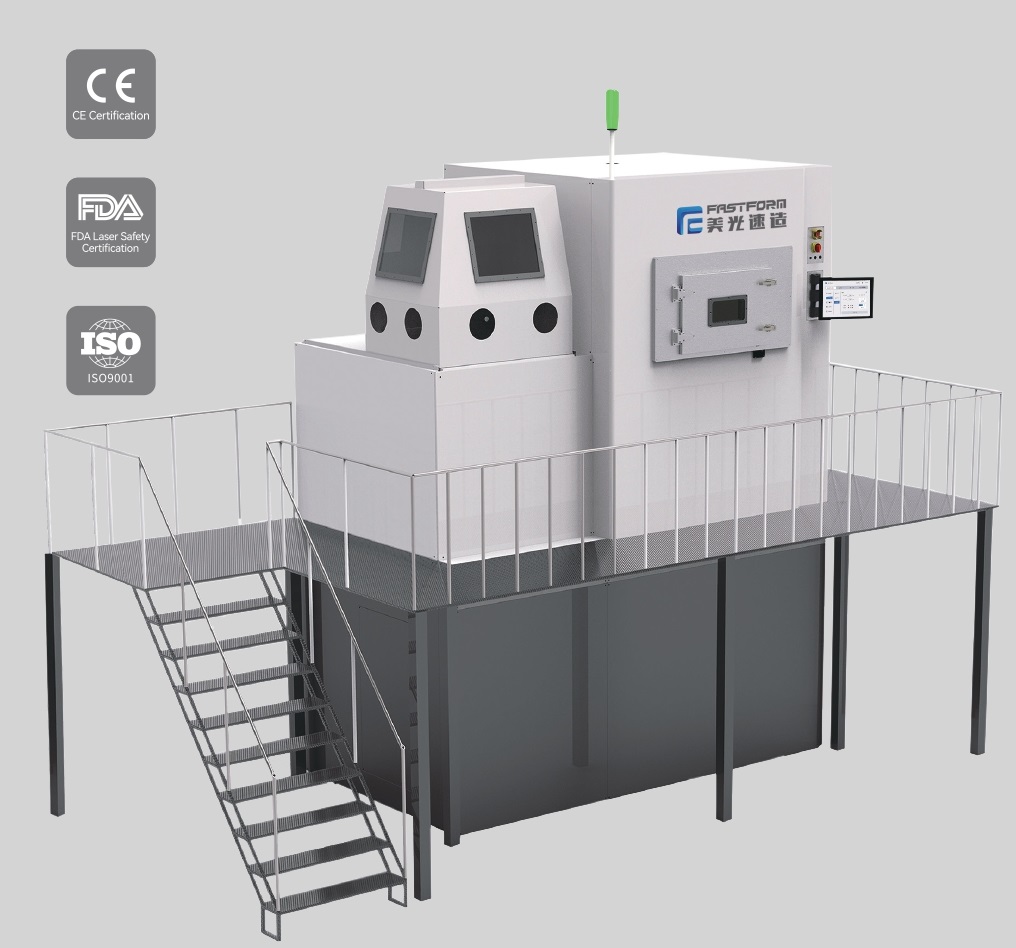
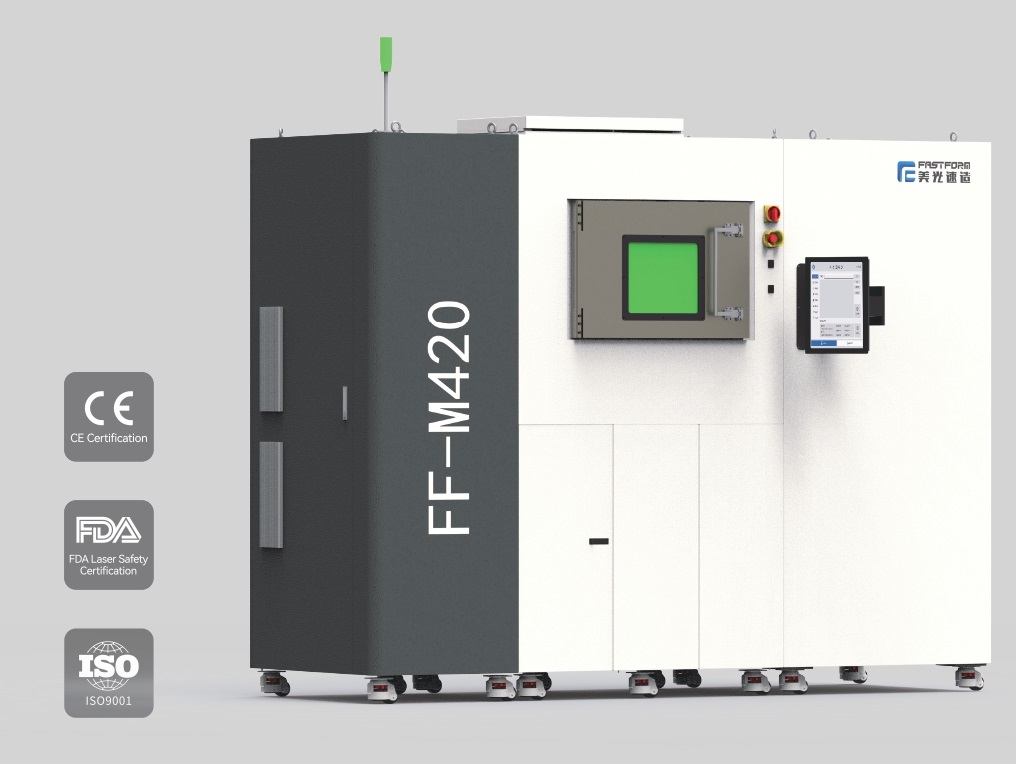
EP-M150: High-Speed Metal Dental 3D Printing Solution

The EP-M150 metal dental 3D printer is designed specifically for labs and clinics looking to scale production without compromising quality.

Key Capabilities

  • High-speed production:
    Print up to ~220 crowns in ~5.5 hours
  • Material efficiency:
    Up to ~550 crowns from just 1 kg of powder
  • Precision printing:
    Spot size of 40–60 μm ensures accurate detail
  • Advanced laser system:
    200W fiber laser (single or dual options)
  • Large build volume:
    Supports batch production workflows

How EP-M150 Improves Dental Lab Workflows

1. Batch Production Optimization

Labs can print multiple crowns or partials in a single run, improving throughput significantly.

2. Reduced Material Waste

The improved powder feeding and sieving system maximizes material usage—critical for cost savings.

3. Easy Operation

“One-click printing” reduces the learning curve for staff, making adoption easier even for non-technical teams.

4. Lower Operating Costs

Optimized chamber design reduces gas consumption, keeping operational expenses under control.

5. Reliable and Safe

Built-in safety systems include:

  • Anti-misoperation controls
  • Fire prevention
  • Real-time monitoring
Schedule A Call

+91 990-000-3300

Choosing the Best Dental 3D Printer for Your Lab

When evaluating best dental 3D printers, consider:

Use Case

  • Models and aligners → Resin printers
  • Crowns and bridges → Metal printers

Production Volume

  • Small clinics → Low-volume systems
  • Labs/DSOs → High-throughput systems like EP-M150

Material Compatibility

Ensure support for:

  • Titanium alloys
  • Cobalt chrome

Software Integration

Look for compatibility with leading dental 3d printing software and STL workflows.

Maintenance & Support

Reliable local support in India is critical for minimizing downtime.

Dental 3D Printer Price and ROI Considerations

Many buyers search for a 3d dental printers price list, but focusing only on price can be misleading.

Instead, evaluate:

  • Cost per crown
  • Material utilization rate
  • Production speed
  • Reduction in outsourcing

A high-efficiency system often delivers ROI faster by increasing output and reducing waste.

Common Challenges in Dental 3D Printing (And How to Solve Them)

Print Failures

Often caused by poor file preparation
→ Solution: Optimize STL files and orientation

Material Waste

→ Solution: Use systems with efficient powder recovery

Training Issues

→ Solution: Choose machines with simplified workflows

Inconsistent Results

→ Solution: Standardize processes and calibratio

FAQ's

Metal dental 3D printers are the best choice for crowns and bridges due to their strength, precision, and durability.

Costs vary depending on type (resin vs metal), build size, and features. Metal systems are higher investment but offer better long-term ROI.

Modern systems with automated workflows and one-click printing make it accessible even for beginners.

Common materials include resin (for models) and metals like titanium and cobalt chrome (for restorations).

Yes. Clinics can start with basic systems and scale up as demand grows.