Call Us 24/7
+91 9900003300Send Us Mail
support@lodestar3d.com
Call Us 24/7
+91 9900003300Send Us Mail
support@lodestar3d.com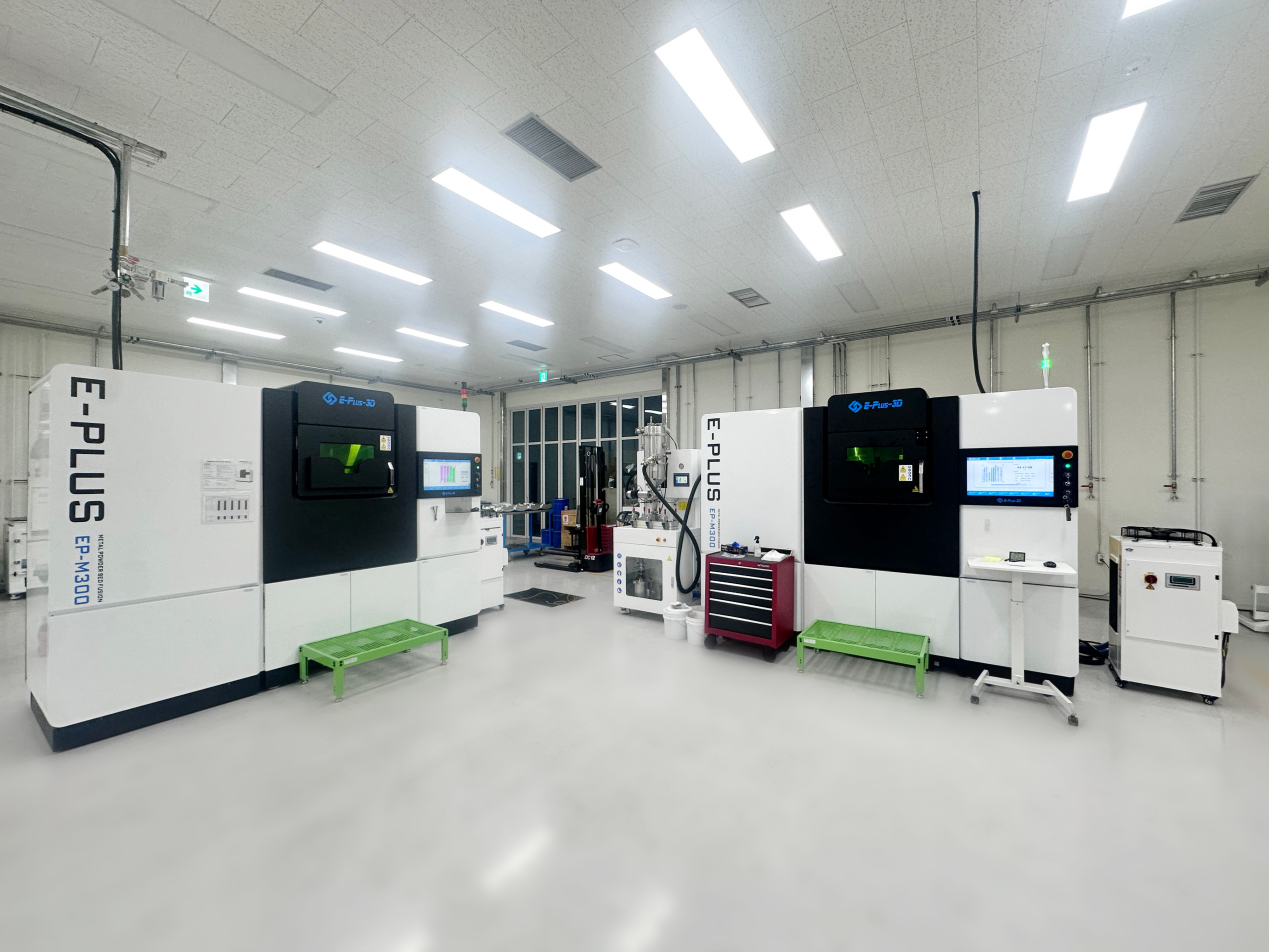
Experiment with materials, process parameters, geometries and new additive manufacturing applications.
Explore EBM for implants and complex medical components where validated materials and processes are required.
Evaluate compact and high-precision metal systems for suitable medical, implant and dental workflows.
Support complex component development where material performance and design flexibility are important.
Explore metal additive manufacturing for demanding components and engineering applications.
Test materials, geometries, process parameters and new metal additive manufacturing approaches.
The final part depends on more than laser power or build volume. Powder characteristics, part orientation, support strategy, scan parameters, layer thickness, atmosphere control, thermal treatment and finishing should be considered together.
Validate material compatibility, process parameters, dimensional requirements and end-use performance before moving from development builds to production.
Evaluate large-format systems for complex aerospace and aviation parts.
Explore suitable systems for implants and other application-specific medical parts.
Compact systems can support metal dental production workflows where the application is qualified.
Develop complex components and production-intent parts without relying entirely on conventional tooling.
Support prototypes, lightweight designs, tooling concepts and advanced engineering applications.
Develop complex metal parts for demanding engineering applications.
Evaluate metal AM for demanding operating environments and component development.
Use open-process capabilities on suitable systems to investigate new metal materials and parameters.
| Advantage | What It Means for Industrial Buyers |
|---|---|
| Complex metal geometries | Develop shapes that may be difficult or expensive to manufacture using conventional processes. |
| Design flexibility | Move directly from digital designs toward complex metal components. |
| Multi-laser productivity | Selected systems use multiple lasers to support larger build areas and higher productivity. |
| Material flexibility | Selected systems support materials such as titanium, aluminium, nickel alloys, stainless steel, maraging steel and cobalt chrome. |
| Application scalability | Choose from compact systems through very large-format industrial platforms. |
| Open process capabilities | Selected systems provide adjustable process parameters for development and application-specific workflows. |
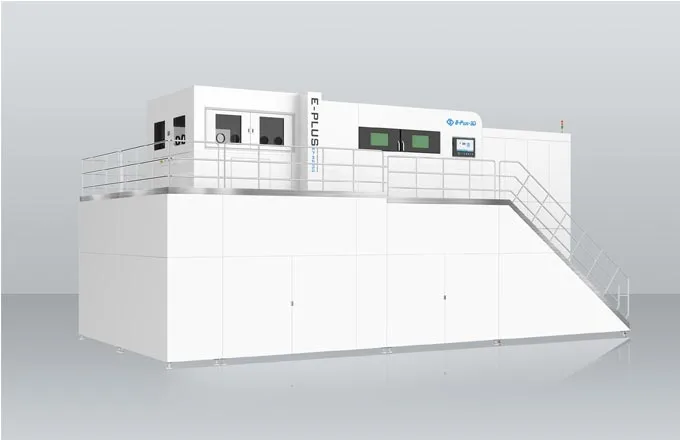
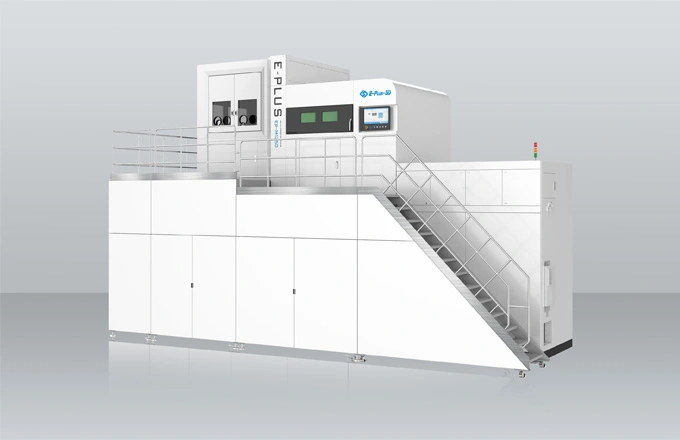
Large-format multi-laser MPBF system for large-size, high-precision and high-performance parts.
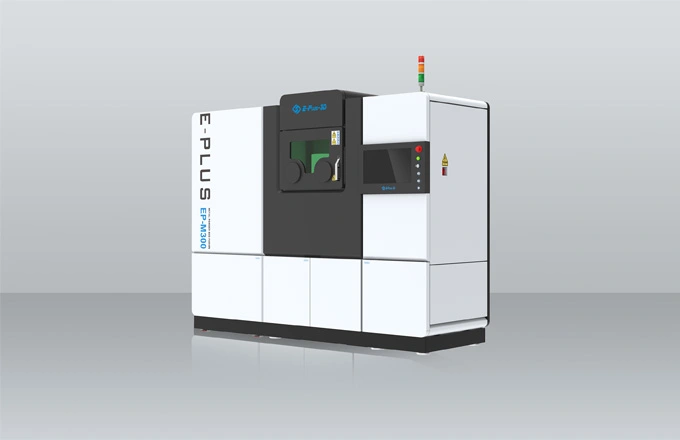
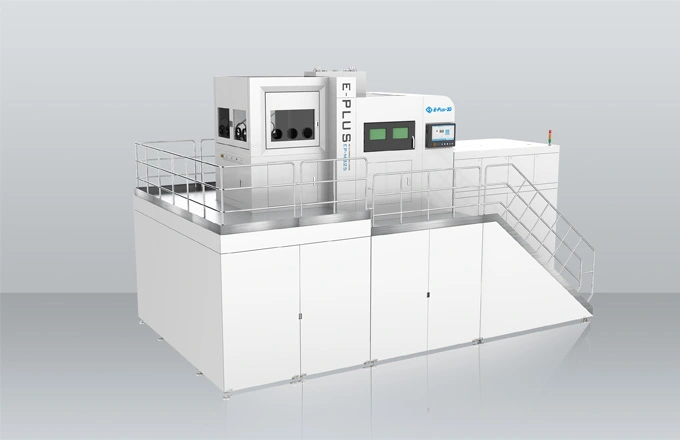
Compact industrial laser metal additive manufacturing platform for advanced component production
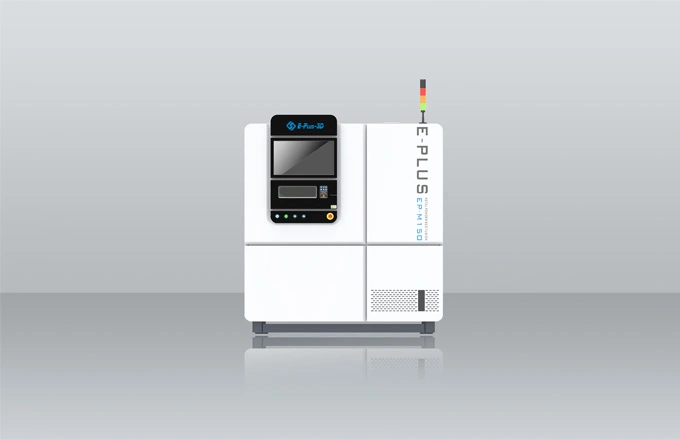
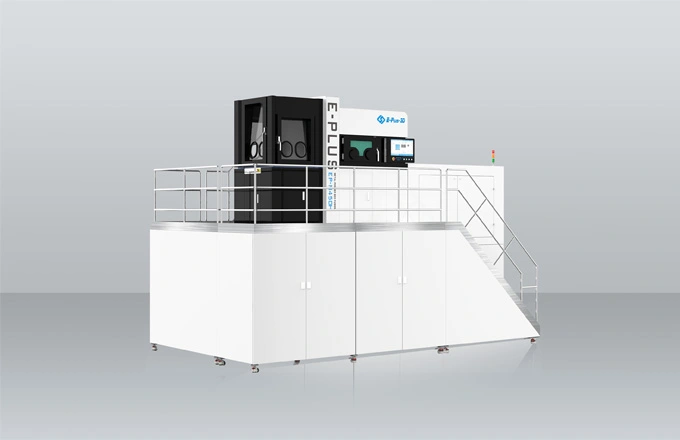
Compact, high-precision MPBF system for dental, medical and material research applications.
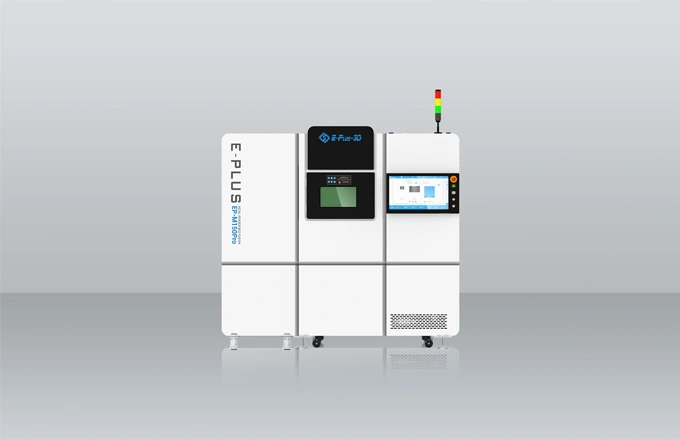
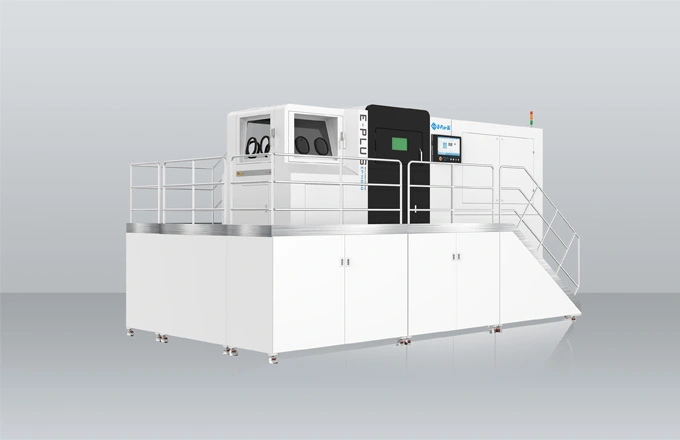
High-speed and high-precision MPBF system for industrial, medical, dental, education and material development applications.
| Printer | Best Fit | Verified / Key Information |
|---|---|---|
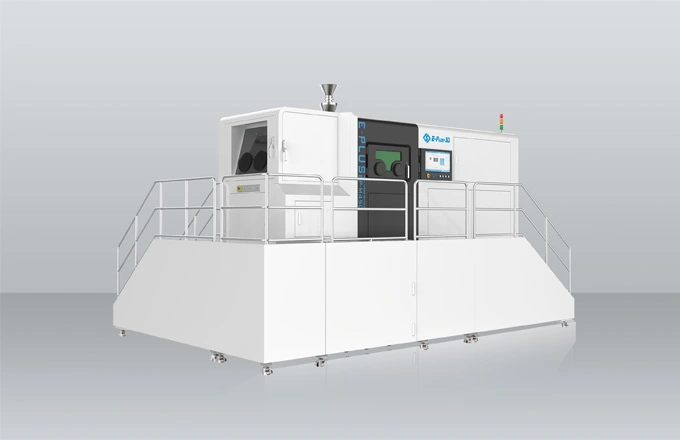
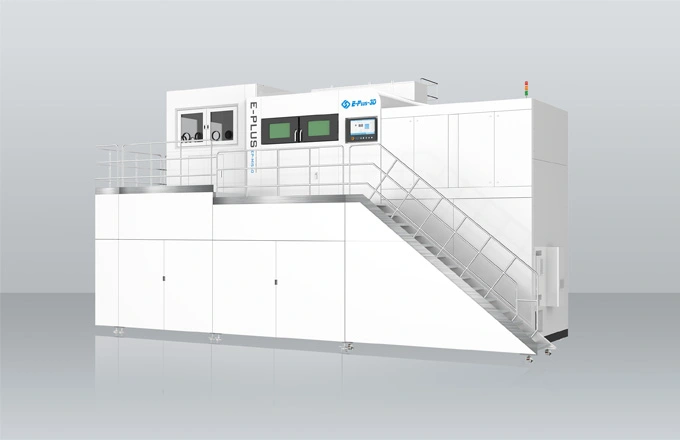
| EP-M2050 | Very large-format industrial and aerospace parts | 2050 × 2050 × 1100 mm build volume; 36/49/64 × 500 W fiber laser options; up to 1080 cm³/h theoretical print speed. |
| EP-M1550 | Large-format component production | 16-laser system; Lodestar describes it for large-size, high-precision and high-performance parts. |
| EP-M1250 | Large industrial components | Large-format multi-laser MPBF platform; confirm latest product specifications before publishing. |
| EP-M825 | Large industrial components | Industrial laser metal AM platform; confirm exact build and laser configuration. |
| EP-M450H / EP-M650 / EP-M450 | Industrial metal manufacturing | Mid-to-large industrial systems; confirm exact model specifications from current product pages. |
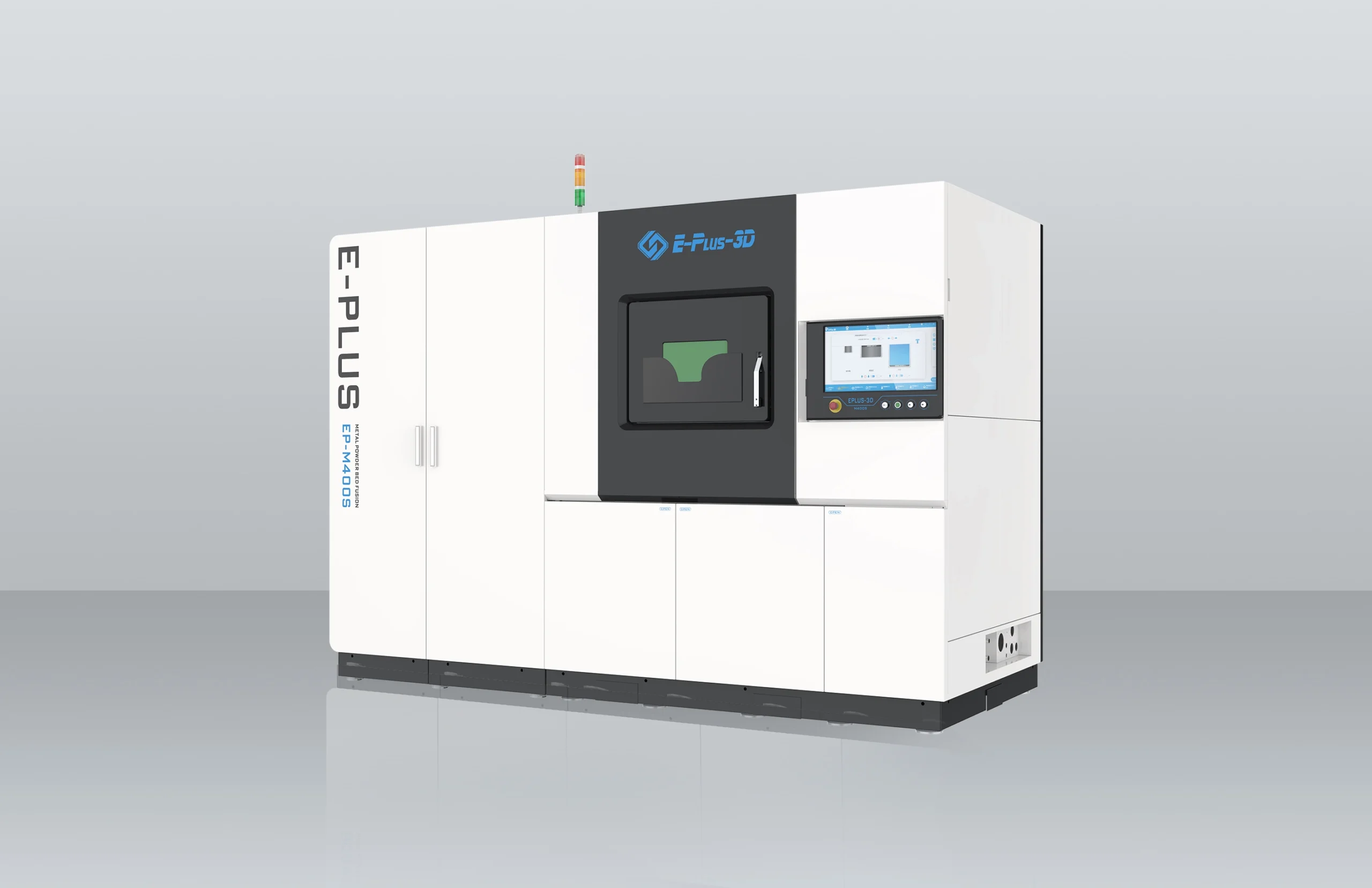
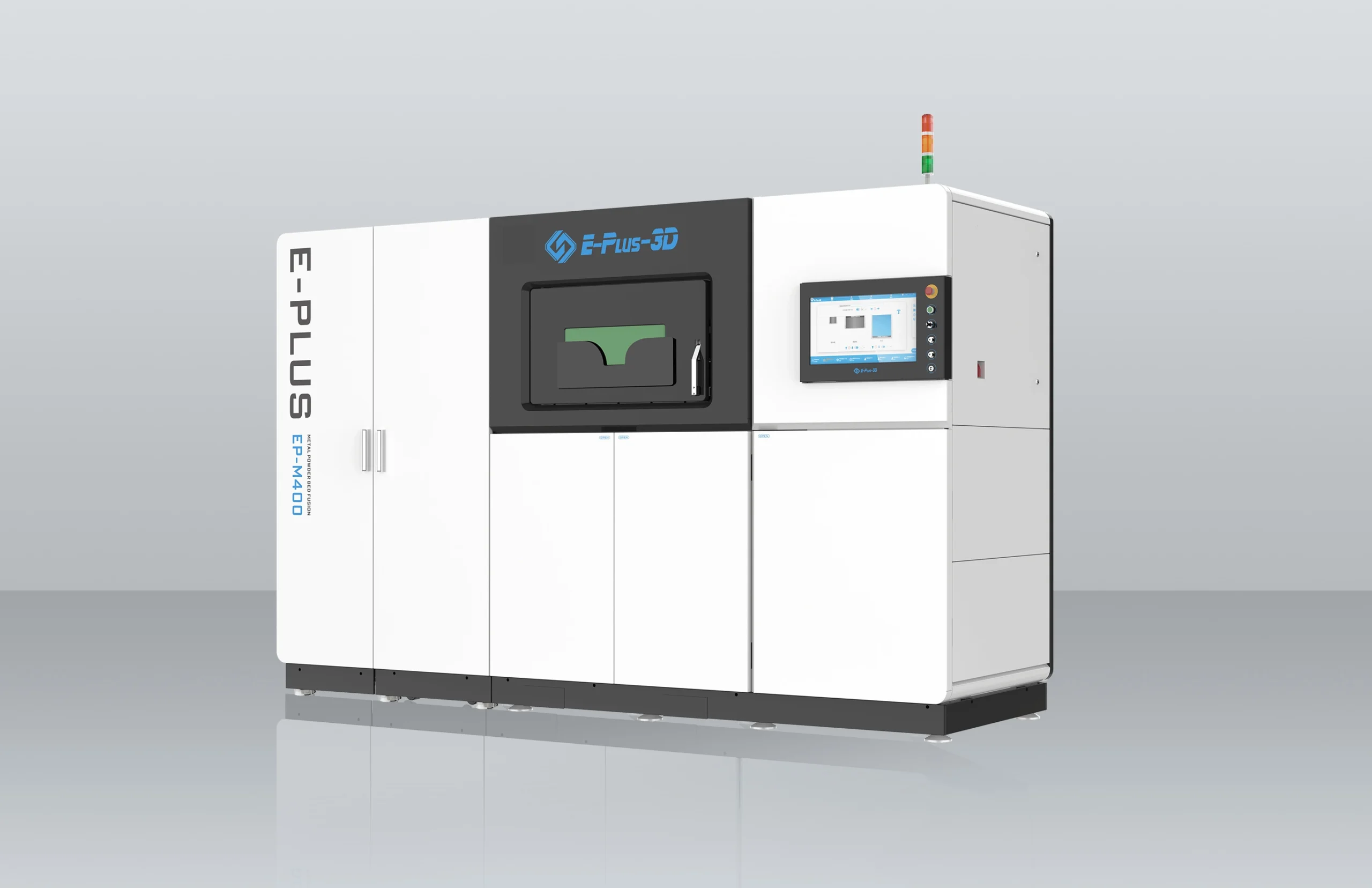
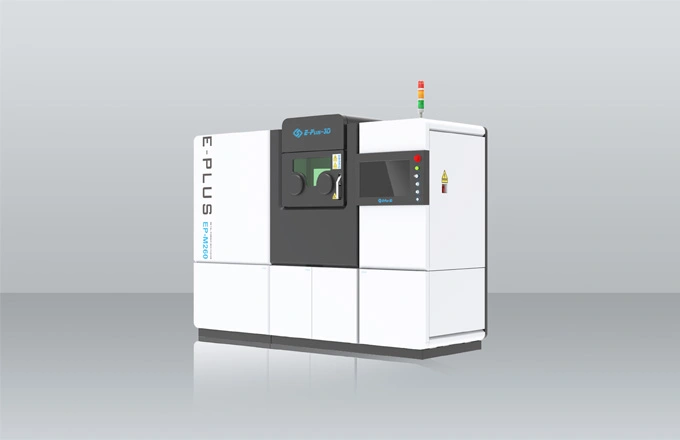
| EP-M400S / EP-M400 / EP-M300 / EP-M260 | Engineering and industrial applications | Compact-to-mid-size laser metal AM range; confirm exact specifications before publishing. |
| EP-M150 | Dental, medical and material research | Φ150 × 140 mm; 200 W fiber laser, single/dual optional; 20–50 μm layer thickness. |
| EP-M150Pro | High-precision industrial, medical, dental and material development | Φ150 × 225 mm; 500 W fiber laser, single/dual optional; 20–100 μm layer thickness. |
| Material / Process Area | Common Use | Important Buyer Considerations |
|---|---|---|
| Titanium Alloys | Aerospace, medical and lightweight components | Confirm material qualification, mechanical requirements and application-specific process parameters. |
| Aluminium Alloys | Lightweight industrial and aerospace components | Evaluate alloy compatibility, thermal behaviour and required properties. |
| Nickel Alloys | High-performance industrial and aerospace applications | Review temperature, corrosion and mechanical performance requirements. |
| Stainless / Maraging Steel | Industrial, tooling and engineering applications | Match powder and process parameters to the required part performance. |
| Cobalt Chrome | Medical, dental and engineering applications | Confirm application-specific material and process qualification. |
| Powder & Atmosphere | Laser MPBF process control | Powder handling, gas supply, oxygen control, storage and reuse strategy should be planned. |
Define the component, material, required properties, build size, production volume and finishing requirements before selecting the printer.
Prepare CAD geometry with additive manufacturing constraints in mind.
Orient, support and slice the part for the selected system and material.
Prepare qualified metal powder and controlled build conditions.
Laser energy selectively melts powder layer by layer.
Handle powder and remove the built component safely.
Apply heat treatment, support removal, machining or finishing as required.
Validate dimensions, surface quality and application requirements.
| Technology | Best For | Key Difference |
|---|---|---|
| Laser MPBF | Aerospace, Detailed metal components, prototypes, production parts and complex geometries | Uses a laser to selectively melt metal powder layer by layer. |
| EBM | Selected aerospace, medical and advanced metal applications | Uses an electron beam in a controlled vacuum environment. |
| WAAM | Large metal structures and high-deposition applications | Deposits metal wire using an energy source and is suited to large components. |
Match component requirements with an appropriate laser metal AM system.
Evaluate build volume, laser configuration, productivity and process requirements.
Discuss titanium, aluminium, nickel, steel and cobalt-chrome material workflows.
Consider orientation, support strategy, powder handling and production planning.
Plan heat treatment, machining, finishing and inspection around the application.
Support the evaluation, installation, training and long-term manufacturing workflow.
Laser metal 3D printing uses a focused laser to selectively melt metal powder layer by layer to create a component from digital 3D data. Lodestar's laser systems use Metal Powder Bed Fusion (MPBF) technology.
The Lodestar website lists EP-M2050, EP-M1550, EP-M1250, EP-M825, EP-M450H, EP-M650, EP-M450, EP-M400S, EP-M400, EP-M300, EP-M260, EP-M150 and EP-M150Pro in its Laser metal printer range.
Depending on the model, Lodestar lists titanium alloys, aluminium alloys, nickel alloys, maraging steel, stainless steel, cobalt chrome and other metal materials. Exact material compatibility should be confirmed for the selected system.
For very large-format applications, the EP-M2050 and EP-M1550 are relevant systems to evaluate. Final selection depends on component size, material and production requirements.
Yes. Lodestar positions large-format laser metal systems such as EP-M2050 and EP-M1550 for aerospace and aviation applications, subject to application-specific qualification.
Selected compact systems can be considered for medical and dental workflows. EP-M150 is positioned for dental, medical and material research applications, while EP-M150Pro supports industrial, medical, dental and material development applications.
Start with component size, material, geometry, required productivity, production volume, application, post-processing and qualification requirements, then compare the appropriate printer configurations.
Laser MPBF uses a laser energy source to selectively melt metal powder, while EBM uses an electron beam in a controlled vacuum environment. Technology selection depends on the application and material requirements.
Powered by GSheetConnector
Powered by GSheetConnector