

High-Resolution Industrial Ceramic 3D Printing for Investment Casting and Technical Ceramics"
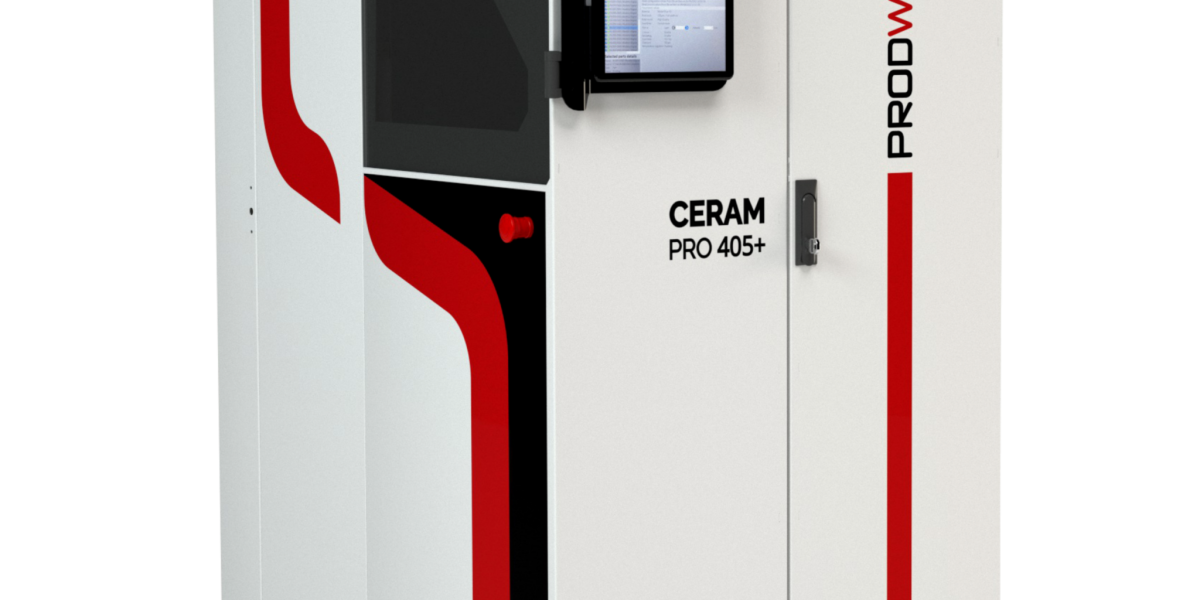
Industrial ceramic 3D printing is becoming an important part of advanced manufacturing. As industries demand more complex parts, faster development cycles, and better material performance, ceramic additive manufacturing is creating new opportunities in investment casting, technical ceramics, R&D, and industrial product development.
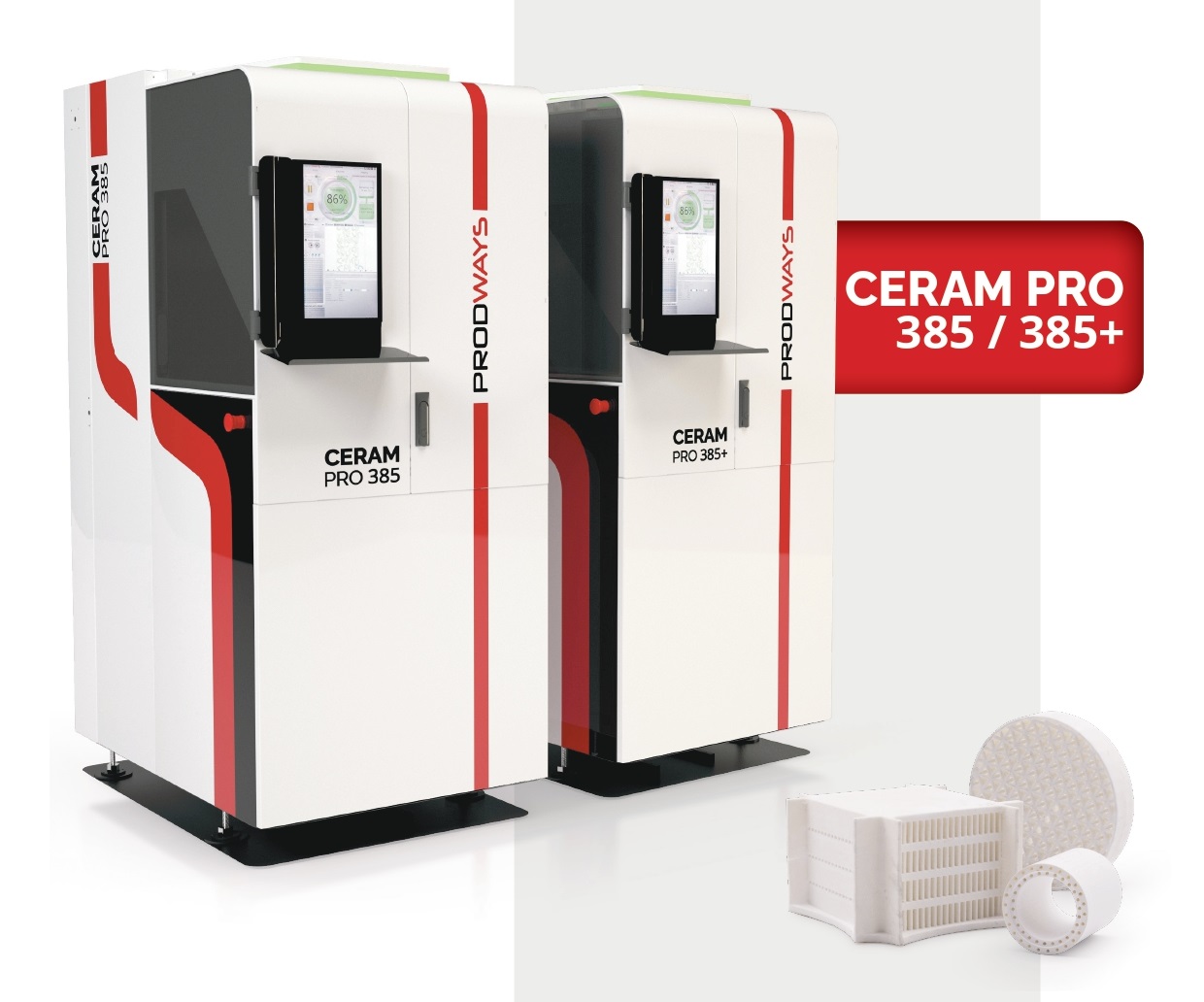
The Ceram PRO 385 / 385+ is designed for organizations that want to explore high-resolution ceramic 3D printing for demanding applications. It supports a digital workflow where ceramic parts can be developed from 3D designs, allowing engineers and researchers to create complex geometries with greater freedom than many traditional ceramic manufacturing methods.
For companies in India looking to strengthen their ceramic additive manufacturing capabilities, Lodestar3D provides access to advanced ceramic 3D printing solutions that can support industrial innovation, prototyping, and application-focused development.
Table of Contents
What Makes Industrial Ceramic 3D Printing Important?
Ceramics are widely used in industries where high heat resistance, wear resistance, hardness, electrical insulation, and chemical stability are important. These material properties make ceramics valuable for aerospace, defence, energy, electronics, medical, investment casting, and industrial engineering applications.
However, traditional ceramic manufacturing can be difficult when the design is complex. Conventional methods may require moulds, machining, casting, or forming processes. These workflows can be time-consuming and costly, especially for low-volume production, prototypes, customized parts, and R&D projects.
Ceramic 3D printing helps solve these challenges by allowing parts to be built layer by layer from digital designs. This gives manufacturers more flexibility to produce complex shapes, fine details, internal features, and application-specific ceramic components.
Why Ceram PRO 385 / 385+ Matters
The Ceram PRO 385 / 385+ is built for users who need precision, production flexibility, and ceramic printing capability for industrial applications. It is especially relevant for investment casting-related workflows, technical ceramics, and research-based development.
The system supports a modern ceramic printing approach where users can move from design to printed ceramic part more efficiently. For engineering teams, this means faster design testing, improved flexibility, and better support for complex ceramic applications.
The Ceram PRO 385 is suitable for users who need high-resolution ceramic printing for demanding applications. The Ceram PRO 385+ is positioned for users who need higher throughput and improved productivity while working with similar ceramic printing goals.
High-Resolution Printing for Detailed Ceramic Parts
High resolution is important in ceramic 3D printing because many ceramic applications require fine details, accurate features, smooth surfaces, and controlled geometry. Whether the part is used for investment casting, technical ceramics, or R&D, print quality plays a major role in final performance.
The Ceram PRO 385 / 385+ supports high-resolution industrial ceramic printing, making it useful for applications where detail and repeatability matter. This is especially valuable for components with small features, thin walls, internal structures, or complex surfaces.
In investment casting, high-resolution ceramic printing can help create accurate ceramic cores, mould-related components, and casting development parts. In technical ceramics, it supports the development of detailed ceramic components for functional testing and application validation.
Ceramic 3D Printing for Investment Casting
Investment casting is one of the most important application areas for ceramic 3D printing. Traditional investment casting often depends on tooling, wax patterns, ceramic cores, and mould-related processes. These steps can take time, especially when the part design is complex or when only a small batch is required.
Ceramic 3D printing can improve this workflow by allowing ceramic casting-related parts to be produced directly from digital files. This helps reduce tooling dependency and supports faster development of complex geometries.
With the Ceram PRO 385 / 385+, foundries and manufacturers can explore ceramic 3D printing for applications such as:
- Ceramic cores
- Casting development parts
- Complex internal geometries
- Prototype casting workflows
- Small-batch casting support
- Application-specific mould-related components
This is especially useful for industries such as aerospace, automotive, energy, defence, and precision engineering, where casting parts often require high accuracy and complex forms.
Ceramic 3D Printing for Technical Ceramics
Technical ceramics are used where standard materials may not perform well. These applications may require heat resistance, wear resistance, chemical stability, electrical insulation, or high hardness. Producing such components through traditional methods can be difficult when the design is complex or customized.
The Ceram PRO 385 / 385+ supports technical ceramic development by giving engineers a flexible way to produce and test ceramic parts. Instead of depending fully on traditional forming or machining, teams can use ceramic 3D printing to create complex prototypes, research samples, and application-specific components.
Technical ceramic applications may include:
- Insulating components
- Heat-resistant parts
- Wear-resistant ceramic parts
- Industrial ceramic prototypes
- Research samples
- Functional ceramic geometries
- Custom ceramic components
For industries working with advanced ceramic materials, this flexibility can help shorten development time and support better design exploration.
Open-Parameter Flexibility for R&D
Research and development teams often need more than a standard production workflow. They need the ability to test materials, adjust process settings, study behaviour, and develop new applications. This is where open-parameter flexibility becomes valuable.
The Ceram PRO 385 / 385+ is useful for R&D environments because it supports experimentation and application-specific development. Research teams can evaluate ceramic materials, study print behaviour, refine workflows, and test new design concepts.
This makes the system suitable for:
- Universities
- Research laboratories
- Industrial R&D teams
- Advanced manufacturing centres
- Material development teams
- Ceramic technology developers
In India, where advanced manufacturing and material research are growing quickly, ceramic 3D printing can help bridge the gap between academic research and industrial application.
Faster Development for Industrial Users
One of the biggest advantages of ceramic 3D printing is faster product development. In traditional ceramic manufacturing, every design change may require tooling modification, mould changes, or process adjustments. This can slow down development.
With ceramic additive manufacturing, engineers can modify the digital design and print a new version more quickly. This makes it easier to test ideas, compare designs, and improve part performance.
For industrial users, faster development can mean:
- Shorter prototyping cycles
- Faster testing of new concepts
- Better response to customer requirements
- Reduced dependency on tooling during early development
- More efficient design validation
- Improved innovation speed
The Ceram PRO 385 / 385+ can support this faster workflow for organizations developing ceramic parts for real industrial use.
Benefits of Ceram PRO 385 / 385+
Supports Complex Ceramic Designs
Ceramic 3D printing allows engineers to create complex shapes, internal features, thin walls, and detailed structures that may be difficult using traditional methods.
Useful for Investment Casting
The system can support casting-related ceramic applications, helping manufacturers explore complex ceramic cores and mould-related workflows.
Suitable for Technical Ceramics
It is useful for developing ceramic parts that require strength, heat resistance, insulation, wear resistance, or other advanced ceramic properties.
Helps Reduce Tooling Dependency
By printing from digital files, users can reduce the need for dedicated tooling during prototypes, R&D, and low-volume development.
Supports R&D and Material Development
The printer is valuable for teams that need to test materials, optimize workflows, and explore new ceramic applications.
Improves Production Flexibility
The Ceram PRO 385+ option is useful for users who need improved throughput and productivity for ceramic printing applications.
Suitable for Industrial and Academic Use
The system can support manufacturers, research institutes, universities, foundries, and advanced manufacturing centres.
Industries That Can Use Ceram PRO 385 / 385+
Aerospace and Defence
Aerospace and defence industries often require high-performance ceramic parts, investment casting support, and advanced material research.
Automotive
Automotive teams can use ceramic 3D printing for prototypes, casting workflows, and high-performance component development.
Energy
Energy applications may require ceramic components that can support thermal, insulating, or chemical resistance needs.
Electronics
Technical ceramics are useful in electronics because of their insulation and thermal properties.
Research and Education
Universities and laboratories can use ceramic 3D printing to study materials, additive manufacturing workflows, and advanced ceramic applications.
Why Choose Lodestar3D for Ceramic 3D Printing?
Choosing an industrial ceramic 3D printer is not only about selecting a machine. It is also about understanding the complete workflow, including design, material selection, printing, post-processing, application validation, and production planning.
Lodestar3D supports Indian manufacturers, research teams, and engineering organizations with access to advanced ceramic 3D printing solutions. For companies evaluating Ceram PRO 385 / 385+, Lodestar3D can help connect the technology to real application needs such as investment casting, technical ceramics, R&D, and industrial ceramic development.
This makes Lodestar3D a valuable partner for organizations that want to move beyond conventional ceramic manufacturing and explore modern additive manufacturing workflows.
Conclusion
The Ceram PRO 385 / 385+ is a strong choice for organizations looking to explore high-resolution industrial ceramic 3D printing. With applications in investment casting, technical ceramics, R&D, and industrial manufacturing, it helps users create complex ceramic parts with greater flexibility. For Indian businesses and research teams, Lodestar3D provides a practical pathway to adopt advanced ceramic additive manufacturing.
FAQ's
Ceram PRO 385 / 385+ is used for industrial ceramic 3D printing applications such as investment casting, technical ceramics, R&D, prototyping, and ceramic material development.
Yes. It can support investment casting-related workflows such as ceramic cores, mould-related components, and complex casting development parts.
Ceram PRO 385 is suitable for high-resolution ceramic printing, while Ceram PRO 385+ is designed for users who need higher throughput and improved productivity.
Yes. Ceram PRO 385 / 385+ can support technical ceramic applications where design flexibility, detail, and material performance are important.
Yes. Ceramic 3D printing is highly useful for R&D because it allows teams to test materials, adjust workflows, develop prototypes, and explore new applications.
Foundries, manufacturers, universities, research labs, aerospace suppliers, defence companies, energy companies, and advanced manufacturing centres can consider Ceram PRO 385 / 385+.
Yes. Lodestar3D provides ceramic 3D printing solutions for investment casting, technical ceramics, R&D, and industrial additive manufacturing applications.