

How Ceramic 3D Printing Is Transforming Investment Casting
Investment casting has long been used to manufacture high-precision metal components with complex shapes and excellent surface quality. It is widely used in industries such as aerospace, automotive, medical, energy, defence, and industrial engineering. The process is valued because it can produce detailed parts from a wide range of metals and alloys.
However, traditional investment casting also has certain limitations. Creating tooling, wax patterns, ceramic cores, and molds can take time and increase production costs, especially when the part is complex or when only a small batch is required. Design changes can also slow down the development cycle because modifying tooling or patterns often requires additional time and expense.
This is where ceramic 3D printing is creating a major shift. By using additive manufacturing to produce ceramic molds, cores, and casting-related components, manufacturers can reduce tooling dependency, accelerate prototyping, and create geometries that are difficult to achieve through conventional methods.
For foundries, casting companies, and manufacturers, ceramic 3D printing is not just a new production method. It is a digital manufacturing approach that improves flexibility across the investment casting workflow.
Table of Contents
What Is Investment Casting?
Investment casting is a manufacturing process used to create metal parts by forming a mold around a pattern. Traditionally, a wax pattern is made in the shape of the final component. This pattern is coated with ceramic material to create a shell. Once the ceramic shell is prepared, the wax is removed, leaving a cavity. Molten metal is then poured into the cavity to form the final part.
Investment casting is popular because it can produce accurate, detailed, and high-quality metal components. It is especially useful for parts with complex shapes, thin walls, fine details, and high-performance requirements.
However, the process often depends on patterns, tooling, and ceramic cores. These steps can become challenging when a component has complex internal channels or when the production requirement is low-volume, customized, or development-focused.
What Is Ceramic 3D Printing?
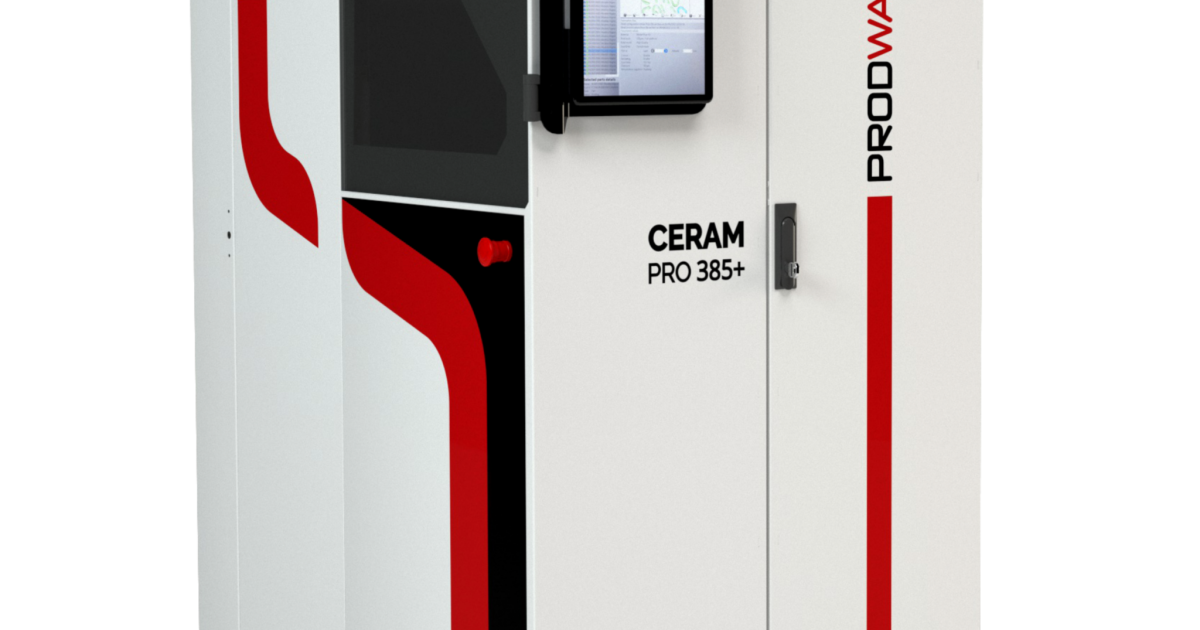
Ceramic 3D printing is an additive manufacturing process that builds ceramic parts layer by layer from a digital design. Instead of relying only on traditional forming or tooling, the ceramic part is printed directly from a 3D file and then processed further to achieve the required ceramic properties.
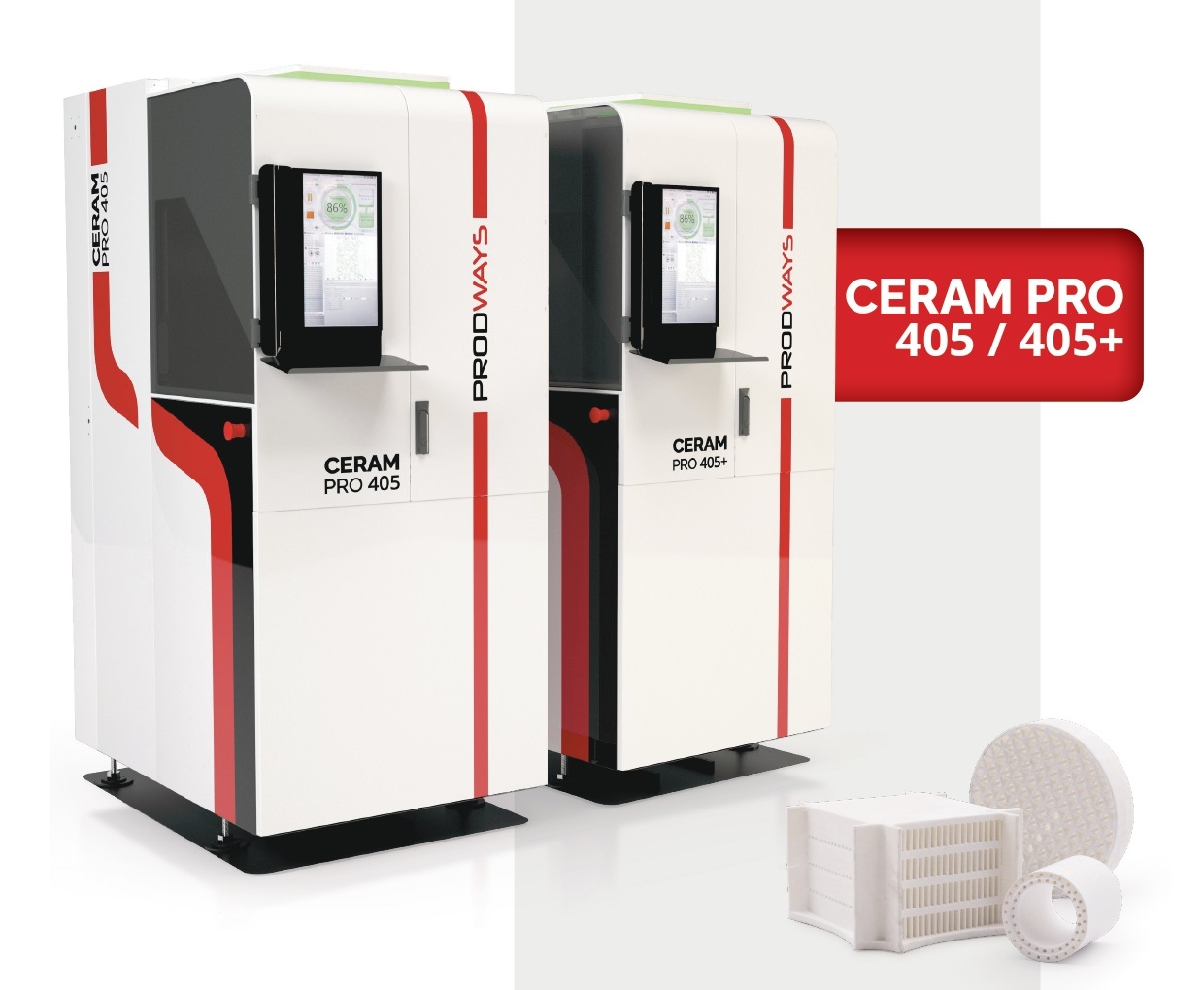
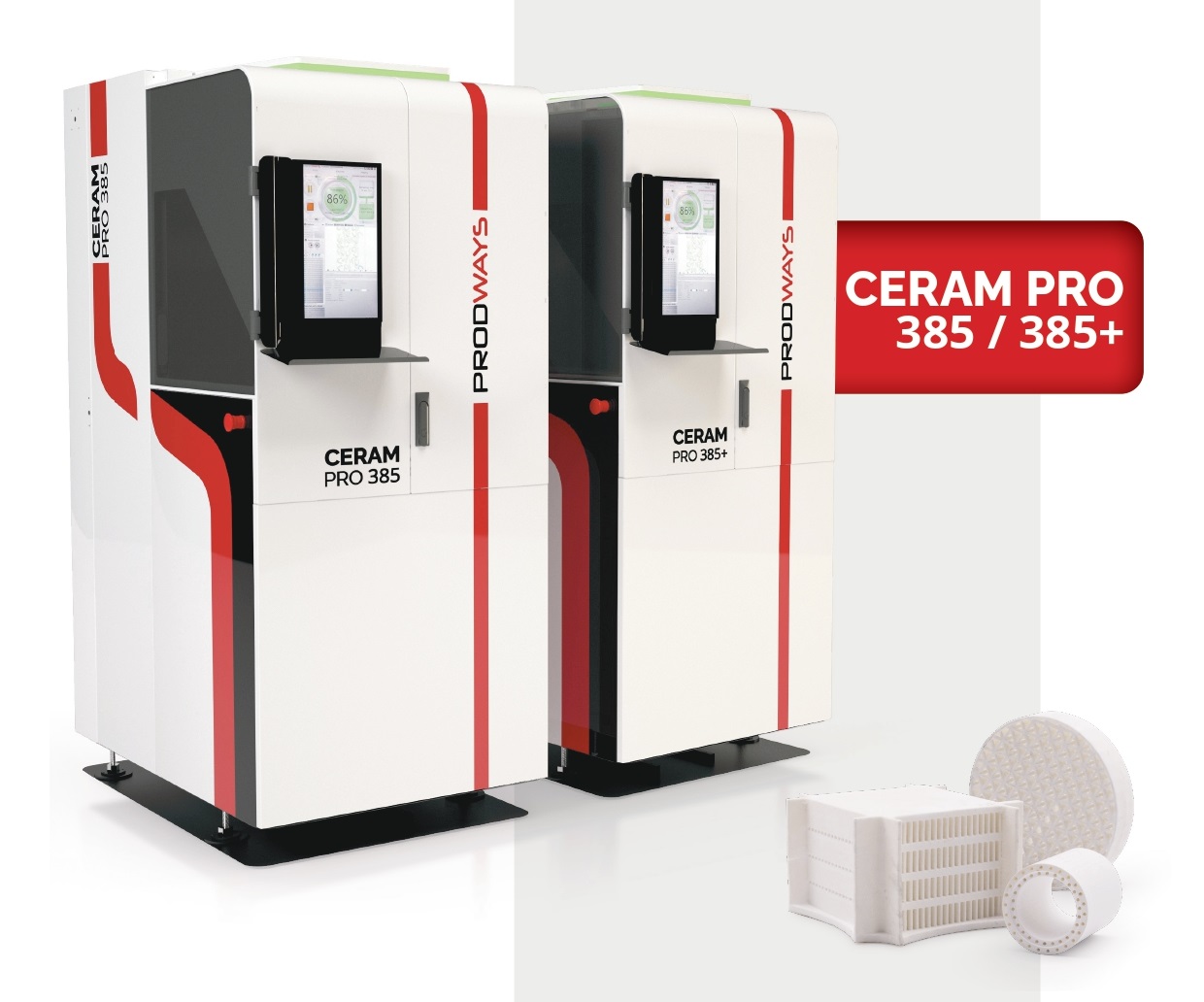
In investment casting, ceramic 3D printing can be used to create molds, cores, shell-related components, and casting development parts. This allows manufacturers to produce complex ceramic structures more quickly and with greater design freedom.
Companies like Lodestar3D support ceramic additive manufacturing solutions that help industries explore modern ceramic printing workflows for investment casting, technical ceramics, and R&D applications.
Why Investment Casting Needs Digital Transformation
Traditional investment casting is highly capable, but modern industries demand faster product development, more complex geometries, and shorter lead times. Aerospace, defence, automotive, and energy companies often need parts that are lighter, more efficient, and more complex than before.
These requirements create pressure on foundries and casting manufacturers. They must deliver accurate parts faster while handling complex design changes and smaller production batches.
Digital manufacturing helps address these challenges. Instead of waiting for tooling to be created or modified, manufacturers can use 3D printing to produce casting-related components directly from digital files. This makes investment casting more flexible and responsive.
Ceramic 3D printing supports this transformation by reducing the gap between design and casting. It helps foundries move from idea to prototype faster and gives engineers more freedom to test complex part designs.
How Ceramic 3D Printing Supports Investment Casting
1. Faster Prototype Development
In traditional casting workflows, creating a prototype may require tooling, wax patterns, and multiple manual steps. This can take time, especially when the design is still changing.
Ceramic 3D printing allows manufacturers to produce casting-related components directly from digital files. This helps reduce development time and allows teams to test designs faster. If the part needs modification, the digital model can be updated and printed again without major tooling changes.
This is especially useful for industries where speed matters, such as aerospace development, automotive engineering, and product innovation.
2. Reduced Tooling Dependency
Tooling is one of the major cost and time factors in investment casting. For high-volume production, tooling can be justified. But for prototypes, short runs, bridge production, or complex parts, tooling can become a limitation.
Ceramic 3D printing reduces the need for dedicated tooling in many development and low-volume workflows. This makes it easier for foundries to accept complex or custom projects without committing immediately to expensive tooling.
By reducing tooling dependency, ceramic 3D printing makes investment casting more accessible for smaller batches and specialized applications.
3. Complex Ceramic Core Production
Many advanced metal castings require internal channels, cavities, or cooling passages. These features are usually created using ceramic cores. Traditional ceramic core production can be challenging when the geometry is highly complex.
Ceramic 3D printing makes it possible to produce complex ceramic cores directly from digital designs. This supports parts with intricate internal geometries that may be difficult or impossible to create with conventional core-making methods.
This benefit is especially important in industries such as aerospace, energy, and high-performance engineering, where internal cooling channels and lightweight structures are often required.
4. Greater Design Freedom
One of the biggest advantages of ceramic 3D printing in investment casting is design freedom. Engineers are no longer limited by the same tooling restrictions found in traditional workflows.
Additive manufacturing can support complex shapes, internal features, thin walls, and customized geometries. This allows product teams to design parts based on performance requirements instead of manufacturing limitations.
For example, engineers can explore improved flow paths, cooling structures, lightweight designs, and integrated features. This can help improve part performance while reducing assembly complexity.
5. Shorter Development Cycles
Design changes are common during product development. In conventional investment casting, design changes may require new tooling or pattern modifications. This can delay the project.
With ceramic 3D printing, design changes can be made digitally. The updated file can be printed and tested more quickly. This supports faster design iteration and reduces the time between concept, prototype, testing, and production approval.
Shorter development cycles are valuable for companies that need to bring products to market faster or respond quickly to customer requirements.
6. Better Support for Low-Volume Production
Not every casting project requires mass production. Many industries need small quantities of complex components, especially for prototypes, specialized machinery, replacement parts, research, and custom applications.
Ceramic 3D printing is well suited for these low-volume requirements. It helps reduce the cost and effort of producing casting-related components when traditional tooling is not practical.
This makes investment casting more flexible for modern manufacturing, where customization and smaller batches are becoming more common.
7. Improved Casting Innovation
Ceramic 3D printing allows foundries and manufacturers to experiment with new casting designs. Engineers can test different core structures, mold concepts, geometries, and part configurations faster than before.
This supports innovation in casting because teams can evaluate more design options without committing to full tooling at every stage. It also helps manufacturers improve performance, reduce weight, and develop more advanced components.
Industries Benefiting from Ceramic 3D Printing in Investment Casting
Aerospace
Aerospace components often require complex geometries, lightweight structures, and high-performance materials. Ceramic 3D printing can support the development of complex ceramic cores and casting workflows for advanced aerospace parts.
Automotive
Automotive manufacturers use investment casting for precision parts, prototypes, and performance components. Ceramic 3D printing helps reduce development time and supports complex part design.
Energy
Energy systems often need parts that can handle heat, pressure, and demanding operating conditions. Ceramic 3D printing can support casting workflows for turbines, power systems, and high-temperature components.
Medical
Medical manufacturing requires precision, customization, and high-quality materials. Investment casting supported by ceramic 3D printing can help develop accurate and specialized components.
Industrial Engineering
Industrial manufacturers can use ceramic 3D printing to develop casting solutions for machinery parts, tooling components, and custom engineering applications.
Key Benefits for Foundries and Manufacturers
Ceramic 3D printing brings several practical benefits to investment casting workflows.
Faster Time to Market
Digital printing shortens the time required to move from design to prototype. This helps manufacturers respond faster to customer requirements.
Lower Development Cost
By reducing tooling dependency, ceramic 3D printing can lower development costs for prototypes, small batches, and complex parts.
More Complex Designs
Additive manufacturing supports geometries that traditional processes may struggle to produce.
Better Customization
Manufacturers can create application-specific molds, cores, and casting components without relying on mass-production tooling.
Improved Workflow Flexibility
Digital workflows make it easier to modify designs, test alternatives, and support different customer requirements.
Reduced Risk During Development
Engineers can test and validate ideas before investing in final tooling or full production.
Challenges to Consider
While ceramic 3D printing is highly valuable, it should be used with proper process understanding. Printed ceramic parts may require cleaning, debinding, sintering, finishing, and inspection. Shrinkage, material behavior, surface quality, and dimensional accuracy must be carefully managed.
Foundries must also evaluate whether ceramic 3D printing fits the required casting workflow, metal type, production quantity, and quality standard. For critical industries such as aerospace or medical manufacturing, validation and certification are essential.
Ceramic 3D printing is not a replacement for every traditional casting method. Instead, it is a powerful tool that improves flexibility, especially for complex, customized, and development-focused casting applications.
Future of Ceramic 3D Printing in Investment Casting
The future of investment casting will be increasingly digital. As manufacturers demand more complex parts and faster development, ceramic 3D printing will continue to grow as an important part of the casting workflow.
Future trends may include:
- More use of 3D printed ceramic cores
- Faster development of complex castings
- Improved ceramic materials for casting applications
- Better integration with CAD and simulation tools
- More flexible low-volume production
- Wider adoption in aerospace, energy, and industrial sectors
- Increased use of digital workflows in foundries
As ceramic 3D printing becomes more accessible and reliable, it will help foundries move toward smarter, faster, and more flexible production methods.
Conclusion
Ceramic 3D printing is transforming investment casting by making the process faster, more flexible, and more design-friendly. It helps manufacturers create complex ceramic cores, reduce tooling dependency, speed up prototypes, and support advanced casting applications. For foundries and engineering teams, this technology opens new possibilities for precision casting and modern manufacturing.
FAQ's
Ceramic 3D printing in investment casting refers to the use of additive manufacturing to create ceramic molds, cores, and casting-related components directly from digital designs.
It helps by reducing tooling dependency, speeding up prototyping, enabling complex ceramic cores, supporting design flexibility, and improving low-volume casting workflows.
No, it does not fully replace traditional investment casting. Instead, it improves the process by adding digital flexibility, faster development, and better support for complex designs.
Industries such as aerospace, automotive, energy, medical, defence, and industrial engineering can benefit from ceramic 3D printing in investment casting.
3D printed ceramic cores help create complex internal features in cast metal parts. They are useful when traditional core-making methods cannot easily produce the required geometry.
Yes, ceramic 3D printing is especially useful for prototypes, low-volume production, custom parts, and development projects where tooling costs may be high.
Yes, Lodestar3D supports ceramic 3D printing solutions for applications such as investment casting-related workflows, technical ceramics, R&D, and industrial additive manufacturing.