

Applications of Ceramic 3D Printing Across Industries
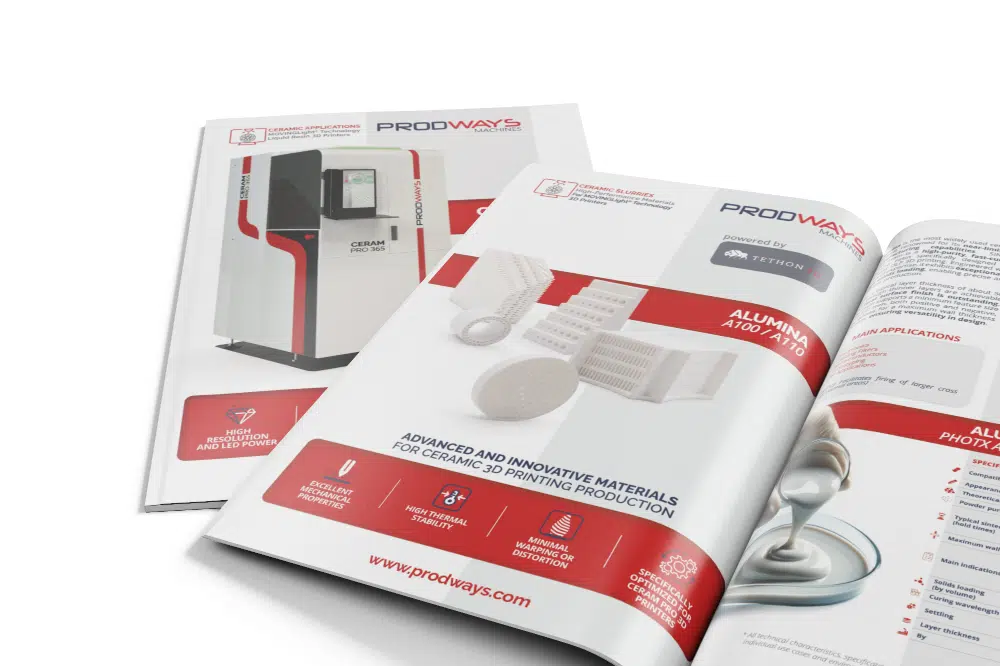
Ceramic 3D printing is becoming an important technology in advanced manufacturing. It allows engineers, researchers, designers, and manufacturers to create ceramic parts directly from digital designs. Instead of depending only on traditional moulding, casting, machining, or forming methods, ceramic additive manufacturing builds parts layer by layer. This gives industries more flexibility to produce complex shapes, fine details, internal channels, and application-specific ceramic components.
Ceramics are already valued for their strength, hardness, heat resistance, wear resistance, chemical stability, and electrical insulation properties. These characteristics make them useful in industries where ordinary plastics or metals may not perform well. However, conventional ceramic manufacturing can be difficult when a part has a complex design or when only a small batch is required. Ceramic 3D printing helps solve this challenge by offering a more flexible and digital manufacturing approach.
Today, ceramic 3D printing applications are expanding across aerospace, healthcare, electronics, energy, investment casting, research, and industrial manufacturing. For companies exploring ceramic additive manufacturing, Lodestar3D provides ceramic 3D printing solutions that support development, prototyping, technical ceramics, and production-oriented workflows.
Table of Contents
What Makes Ceramic 3D Printing Useful?
Ceramic 3D printing is useful because it combines the functional properties of ceramics with the design flexibility of additive manufacturing. Traditional ceramic parts often need dedicated tooling, moulds, or complex finishing. This can increase cost and development time, especially for prototypes and custom parts.
With ceramic 3D printing, a digital file can be converted into a physical ceramic part through a controlled printing and post-processing workflow. This makes it easier to test new ideas, improve designs, reduce tooling dependency, and produce parts that may be difficult to make using conventional methods.
The technology is especially valuable for:
- Complex ceramic geometries
- Small-batch production
- Functional prototypes
- Technical ceramic parts
- Investment casting workflows
- Research and development
- Custom industrial components
- High-temperature applications
- Electrically insulating parts
- Wear-resistant ceramic components
Ceramic 3D Printing in Aerospace and Defence
Aerospace and defence are among the most important sectors exploring ceramic 3D printing applications. These industries often need lightweight, strong, heat-resistant, and high-performance components. Ceramics can offer excellent resistance to high temperatures, corrosion, and wear, making them useful in demanding aerospace environments.
Ceramic 3D printing can support the development of parts such as thermal protection components, insulation elements, sensor housings, complex ceramic cores, and advanced research samples. Since aerospace components often require complex shapes and strict performance requirements, additive manufacturing can help engineers test and refine designs faster.
In defence applications, ceramic materials may be used where thermal resistance, electrical insulation, or material hardness is required. Ceramic 3D printing also supports fast prototyping, allowing engineering teams to explore new designs before moving toward validated production.
For final aerospace and defence use, every component must go through proper testing, inspection, and certification. However, ceramic 3D printing gives these industries a powerful platform for innovation and product development.
Ceramic 3D Printing in Healthcare and Dental Applications
Healthcare and dental industries use ceramics because of their biocompatibility, hardness, wear resistance, and aesthetic qualities. Ceramic materials are commonly used in dental restorations, implants, surgical tools, and medical components.
Ceramic 3D printing can help create patient-specific parts, detailed dental models, crowns, bridges, and other ceramic structures. It allows greater customization compared to traditional manufacturing methods. In dental workflows, the ability to create accurate and detailed ceramic parts can improve speed, precision, and personalization.
In the broader healthcare sector, ceramic 3D printing may support the development of implants, bio-ceramic structures, and specialized medical components. Researchers are also exploring ceramic materials for tissue engineering and advanced medical applications.
The healthcare industry requires strict validation and quality control. Still, ceramic additive manufacturing is creating new opportunities for customized and high-performance medical solutions.
Ceramic 3D Printing in Electronics and Electrical Applications
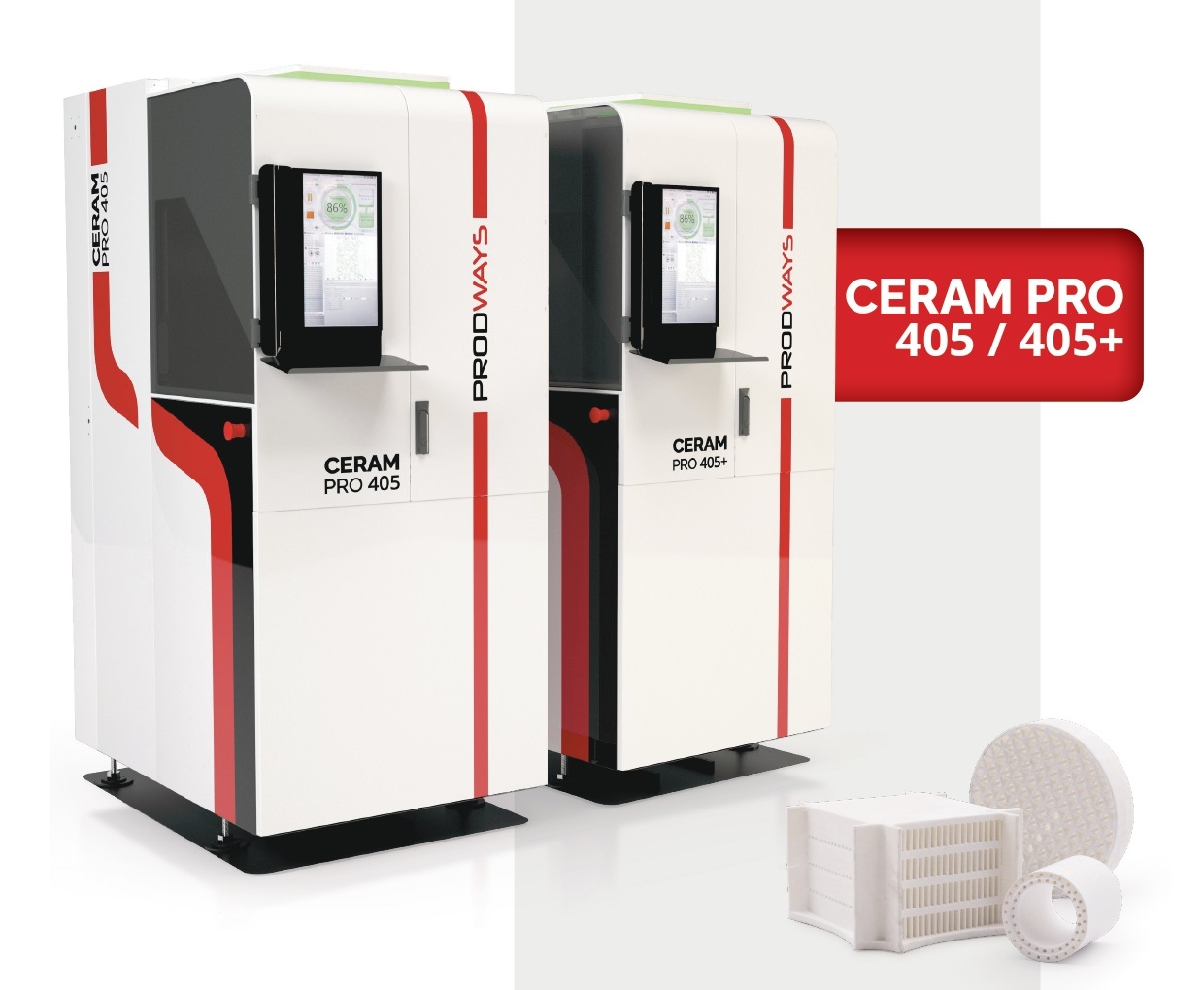
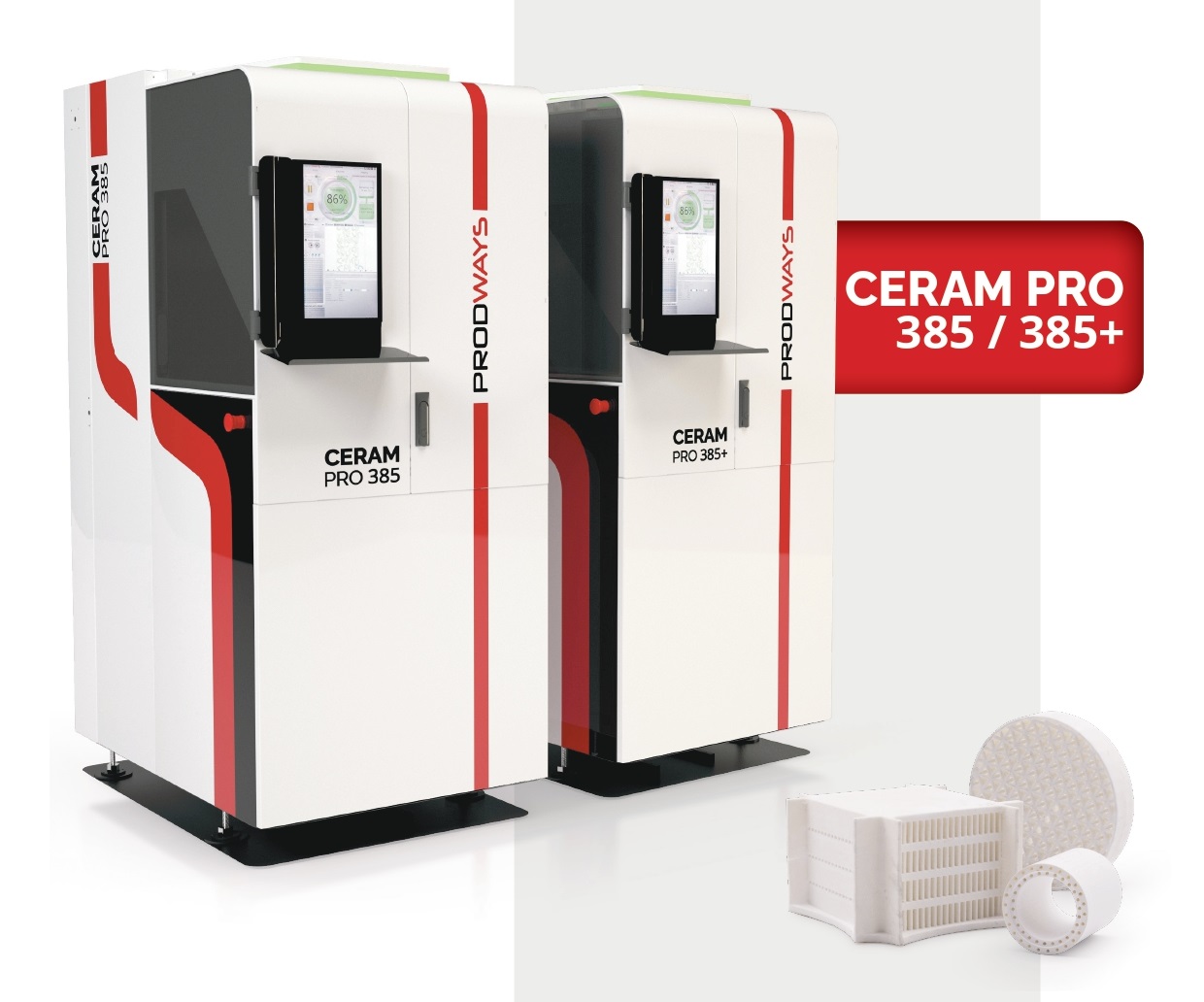
Ceramics are widely used in electronics because many ceramic materials offer excellent electrical insulation, thermal stability, and resistance to chemical damage. These properties make ceramic 3D printing useful for electronic components, insulators, sensor parts, circuit-related structures, and customized housings.
As electronic devices become smaller and more complex, manufacturers need materials that can handle heat and protect sensitive systems. Ceramic 3D printing can help create complex insulating components and parts with fine features that may be difficult to produce through traditional methods.
Potential ceramic 3D printing applications in electronics include:
- Electrical insulators
- Sensor housings
- Ceramic substrates
- Heat-resistant electronic components
- Custom protective enclosures
- Miniaturized ceramic parts
The design freedom offered by ceramic additive manufacturing can help electronics manufacturers develop more compact and efficient components.
Ceramic 3D Printing in Energy and Power Systems
Energy industries often require materials that can withstand high temperatures, corrosion, pressure, and chemical exposure. Ceramics are useful in these environments because they can maintain stability under demanding operating conditions.
Ceramic 3D printing can support the development of parts used in renewable energy, power generation, fuel cells, batteries, thermal management, and filtration systems. Components with internal channels, complex flow paths, or customized shapes can be produced more efficiently using additive manufacturing.
In energy applications, ceramic 3D printing may be used for:
- Thermal insulation components
- Fuel cell parts
- Battery-related ceramic structures
- High-temperature components
- Filtration systems
- Flow control parts
- Energy research samples
As the energy sector continues to develop cleaner and more efficient technologies, ceramic 3D printing can help accelerate material testing and component innovation.
Ceramic 3D Printing in Investment Casting
Investment casting is one of the important application areas for ceramic 3D printing. In casting workflows, ceramic parts can be used to create detailed patterns, cores, and mould-related components. This is especially useful when the final metal part has complex internal geometry or fine design details.
Traditional casting tooling can be expensive and time-consuming. Ceramic 3D printing helps reduce this dependency by allowing faster development of casting-related parts directly from digital files.
Benefits of ceramic 3D printing in investment casting include:
- Faster design iteration
- Complex internal features
- Reduced tooling dependency
- Better flexibility for low-volume casting
- Support for detailed geometries
- Shorter development cycles
Industries such as aerospace, automotive, and precision engineering can benefit from this approach, especially when complex cast metal parts are required.
Ceramic 3D Printing in Industrial Manufacturing
Industrial manufacturing uses ceramics for wear resistance, thermal resistance, insulation, and chemical stability. Ceramic 3D printing allows manufacturers to produce complex industrial parts without depending entirely on conventional forming or machining.
Applications may include machine components, nozzles, guides, fixtures, insulators, filters, wear-resistant parts, and customized production tools. The technology is particularly useful when a part has a complex shape or when low-volume production is required.
Industrial ceramic 3D printing can help manufacturers improve product development, reduce tooling costs, and explore new design possibilities. It also supports quick prototyping for parts that need to be tested under demanding conditions.
Ceramic 3D Printing in Research and Education
Research and education are strong areas for ceramic 3D printing. Universities, laboratories, and research centres use ceramic 3D printers to study materials, test new designs, develop ceramic processing methods, and train students in additive manufacturing.
Ceramic additive manufacturing helps researchers explore:
- New ceramic materials
- Advanced part geometries
- Process optimization
- Thermal performance
- Material behaviour
- Sintering and post-processing methods
- Industrial application development
For educational institutions, ceramic 3D printing provides hands-on learning in digital manufacturing, material science, product development, and industrial technology.
Benefits of Ceramic 3D Printing Across Industries
Ceramic 3D printing offers several benefits for different industries.
Greater Design Freedom
The technology allows designers to create complex shapes, internal channels, thin walls, and detailed structures that may be difficult with traditional manufacturing.
Faster Product Development
Since parts are made from digital designs, teams can modify, print, test, and improve designs faster.
Reduced Tooling Cost
Ceramic 3D printing reduces the need for moulds and dedicated tooling, especially for prototypes and small batches.
Better Customization
Industries can create application-specific parts, patient-specific components, custom designs, and low-volume products more easily.
Support for Advanced Materials
Ceramic 3D printing enables development using materials known for heat resistance, wear resistance, insulation, and chemical stability.
Suitable for Complex Applications
Industries that require fine details, functional geometries, and high-performance materials can benefit from ceramic additive manufacturing.
Conclusion
Ceramic 3D printing is expanding across industries because it combines ceramic material performance with additive manufacturing flexibility. From aerospace and healthcare to electronics, energy, casting, and research, the technology helps create complex, customized, and high-value ceramic parts. For organizations exploring ceramic additive manufacturing, Lodestar3D offers solutions that support innovation, prototyping, and industrial application development.
FAQ's
The main applications include aerospace, healthcare, electronics, energy, investment casting,industrial manufacturing, research, and education.
Ceramic 3D printing is useful because it allows complex designs, faster prototyping, reduced tooling dependency, customization, and use of high-performance ceramic materials.
Yes, ceramic 3D printing can support aerospace applications such as thermal protection parts, insulation components, complex ceramic cores, and R&D samples. Final parts require proper validation and certification.
Yes, ceramic 3D printing can be useful in healthcare and dental applications for customized ceramic parts, dental restorations, implants, and research-based medical components.
Ceramic 3D printing can be used to create casting-related patterns, cores, and mould components with complex geometries and fine details.
Industries such as aerospace, healthcare, energy, electronics, investment casting, industrial manufacturing, and R&D benefit from ceramic 3D printing.
Yes, Lodestar3D provides ceramic 3D printing solutions for applications such as technical ceramics, investment casting, R&D, education, industrial use, and advanced manufacturing workflows.