

Choosing the Right Ceramic 3D Printer for Industrial Applications
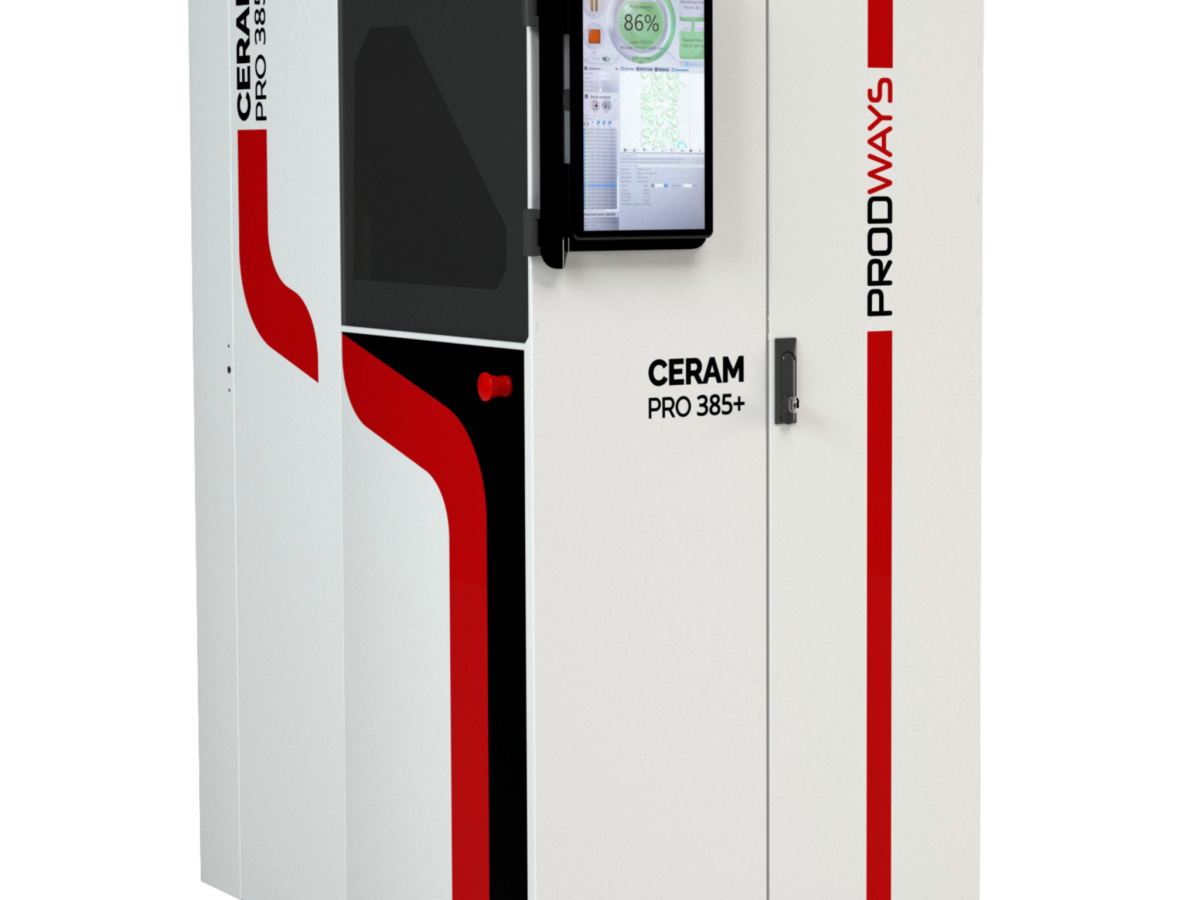
Ceramic 3D printing is becoming an important technology for industries that need high-performance ceramic parts, complex geometries, faster development, and flexible production workflows. From investment casting and technical ceramics to aerospace, energy, healthcare, electronics, and R&D, ceramic additive manufacturing is helping organizations move beyond the limits of traditional ceramic production.
Choosing the right ceramic 3D printer for industrial applications is not just about selecting a machine. It is about understanding the complete workflow: application requirements, material compatibility, print quality, build size, post-processing, production volume, software, support, and long-term scalability.
For manufacturers, foundries, universities, research labs, and industrial users in India, the right ceramic 3D printer can improve design freedom, reduce tooling dependency, support faster prototyping, and enable advanced ceramic part development. Lodestar3D offers ceramic 3D printing solutions that can support industrial, research, and application-focused workflows.
Table of Contents
Why Ceramic 3D Printing Matters for Industrial Applications
Ceramics are used in demanding applications because they offer properties such as heat resistance, hardness, wear resistance, chemical stability, electrical insulation, and dimensional stability. These qualities make ceramics useful where plastics or metals may not perform well.
However, ceramics can be difficult to process using traditional methods. Conventional ceramic manufacturing often involves moulding, casting, pressing, machining, or forming. These processes can be effective, but they may become expensive and time-consuming when the part design is complex, customized, or required in small quantities.
Ceramic 3D printing helps solve these challenges by producing parts directly from digital designs. It allows users to create complex shapes, internal channels, fine details, thin walls, and application-specific structures that may be difficult with traditional methods.
Start with the Application Requirement
The first step in choosing the right ceramic 3D printer is to define the application clearly. Different industries require different ceramic part characteristics. A printer suitable for research may not be the best choice for production-focused casting workflows. Similarly, a printer used for design prototypes may not meet the needs of technical ceramic development.
Before choosing a ceramic 3D printer, ask:
- Is the printer needed for investment casting?
- Is the goal to produce technical ceramic components?
- Will the printer be used for R&D and material testing?
- Are the parts for prototypes, functional testing, or production support?
- What level of detail and surface quality is required?
- What type of ceramic material will be used?
- Is the requirement for small parts, large parts, or batch production?
- What post-processing workflow is available?
A clear application goal helps narrow down the printer choice and avoids investing in a system that does not match the actual industrial need.
Consider Ceramic Material Compatibility
Material compatibility is one of the most important factors in ceramic 3D printing. Different ceramic materials offer different properties. Some are suitable for investment casting, while others are better for technical ceramics, insulation, wear resistance, or high-temperature applications.
Common ceramic materials used in additive manufacturing may include silica, alumina, zirconia, and other advanced ceramic formulations. Each material requires specific handling, printing parameters, debinding, and sintering conditions.
Industrial users should choose a ceramic 3D printer that supports the material workflow required for their application. For example, a foundry may prioritize casting-related ceramic materials, while a research lab may need open-material flexibility to test new ceramic formulations.
Evaluate Print Resolution and Part Detail
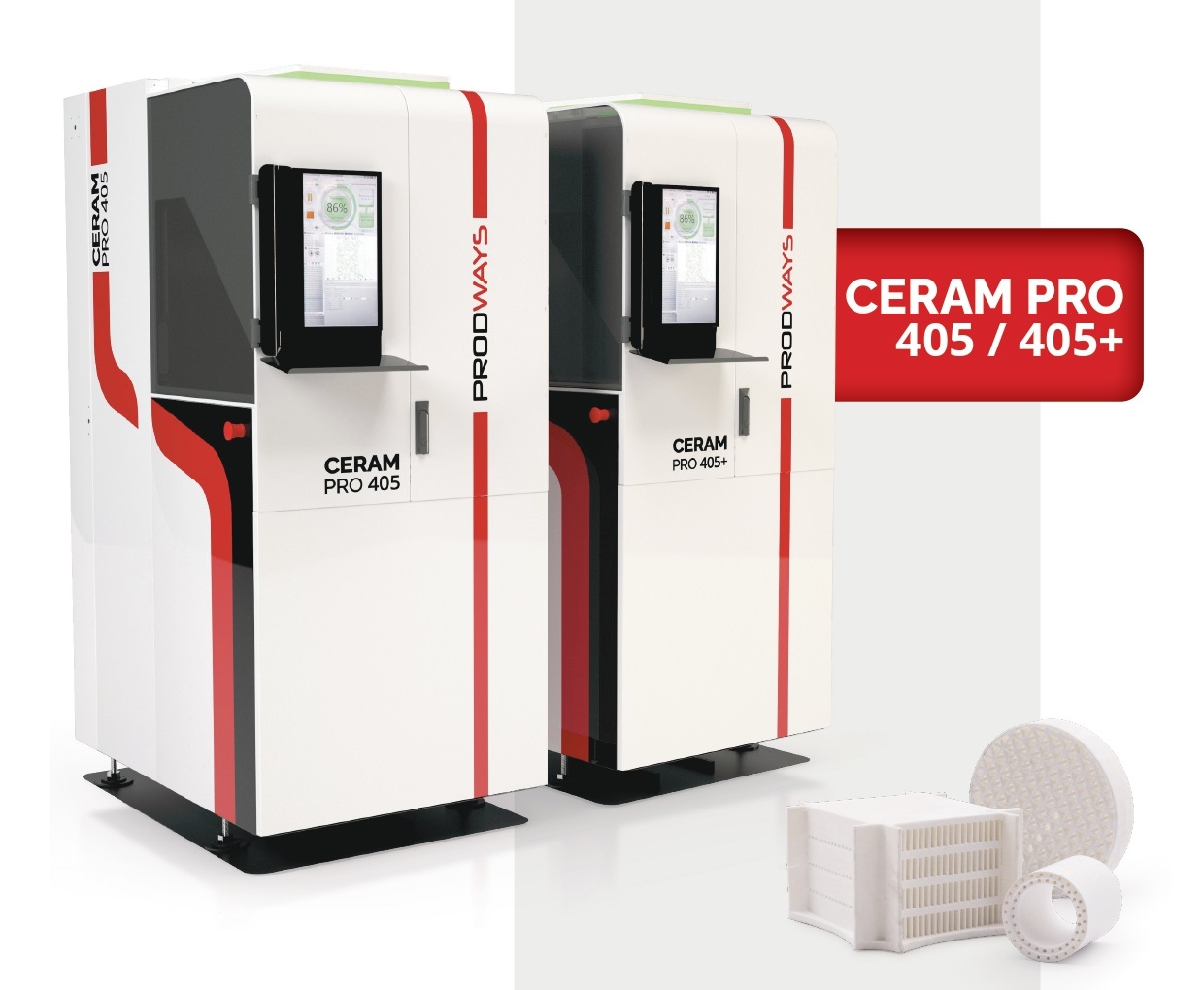
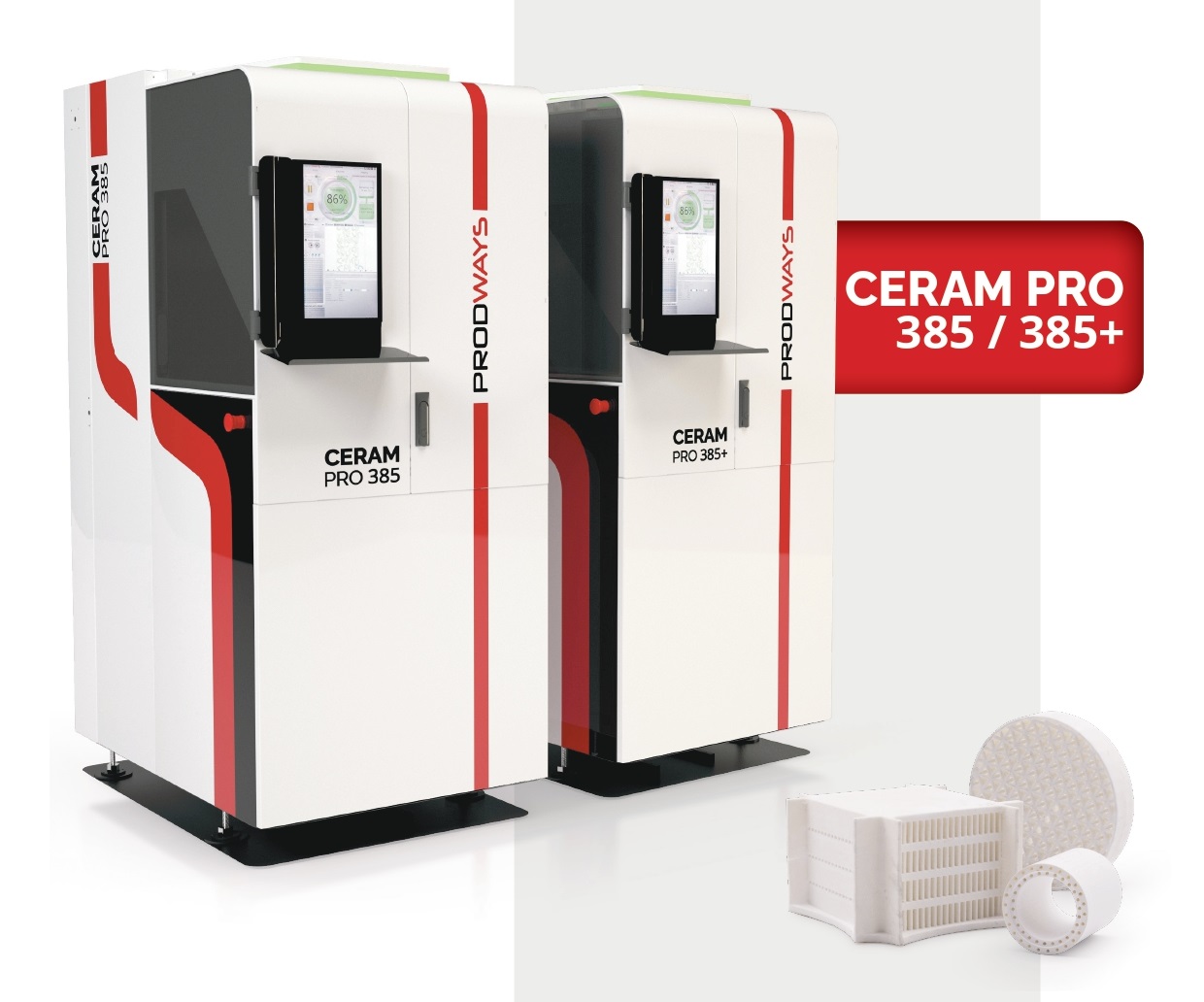
Print resolution plays an important role in ceramic 3D printing, especially for applications that require fine features, accurate surfaces, and detailed geometries. Investment casting cores, components, technical ceramic parts, and research samples often require high-resolution printing.
A high-resolution ceramic 3D printer can help produce parts with better surface quality and more accurate features. However, users should also understand that final quality depends on more than print resolution alone. Material behaviour, part design, printing parameters, debinding, sintering, and finishing all affect the final result.
For industrial users, the right printer should provide a balance between detail, repeatability, productivity, and workflow reliability.
Match the Printer to Production Volume
Not every ceramic 3D printer is designed for the same production requirement. Some printers are more suitable for lab prototypes and R&D, while others are better suited for higher throughput and industrial production workflows.
If the goal is early-stage development, a printer with flexibility and open parameters may be more valuable. If the goal is regular industrial output, productivity, repeatability, and batch capability become more important.
Companies should evaluate whether they need:
- One-off prototypes
- Small-batch production
- Research samples
- Casting development parts
- Functional ceramic components
- Higher-volume industrial output
Choosing a printer based only on current needs may limit future growth. It is better to select a system that supports both present applications and future scalability.
Look for Workflow Simplicity
Ceramic 3D printing is not only about printing. The complete process includes design preparation, material handling, printing, cleaning, debinding, sintering, finishing, and inspection. A good industrial ceramic 3D printer should support a practical and manageable workflow.
A user-friendly interface, dedicated software, stable printing process, and clear workflow guidance can make adoption easier. This is especially important for companies new to ceramic additive manufacturing.
For industrial teams, workflow simplicity reduces training time, improves process consistency, and helps users move from experimentation to practical application faster.
Check Suitability for Investment Casting
Investment casting is one of the major applications of ceramic 3D printing. Foundries and manufacturers can use ceramic 3D printing to create casting-related components such as ceramic cores, mould-related parts, and development samples.
When choosing a ceramic 3D printer for investment casting, users should consider whether the system supports:
- Complex ceramic core development
- Fine details and internal geometries
- Repeatable part production
- Casting-related ceramic materials
- Faster design iteration
- Low-volume and prototype casting workflows
Ceramic 3D printing can help reduce tooling dependency and shorten casting development cycles. This makes it valuable for aerospace, automotive, energy, defence, and precision engineering applications.
Check Suitability for Technical Ceramics
Technical ceramics are used in demanding industrial applications where performance is critical. These parts may need heat resistance, insulation, chemical stability, wear resistance, or high hardness.
A ceramic 3D printer for technical ceramics should support accurate part development, material testing, process control, and application validation. It should also allow teams to create complex geometries that are difficult to manufacture traditionally.
Technical ceramic applications may include:
- Insulating components
- Heat-resistant parts
- Wear-resistant parts
- Industrial ceramic prototypes
- Sensor housings
- Electrical components
- Research samples
- Functional ceramic parts
For technical ceramic users, printer selection should focus on material compatibility, print quality, repeatability, and post-processing requirements.
Consider R&D Flexibility
Many industrial users need ceramic 3D printing for research and development. Universities, laboratories, and advanced manufacturing teams often need to test new materials, adjust printing parameters, and study part performance.
For R&D applications, open-parameter flexibility is important. It allows users to experiment with materials, exposure settings, layer strategies, and processing methods. This can help researchers develop new applications and optimize existing workflows.
A ceramic 3D printer with R&D flexibility is useful for:
- Material development
- Academic research
- Process optimization
- Prototype testing
- New application development
- Technical ceramic studies
- Investment casting trials
Do Not Ignore Post-Processing
Post-processing is a critical part of ceramic 3D printing. Printed ceramic parts usually need cleaning, debinding, sintering, and finishing before they achieve final properties.
When choosing a ceramic 3D printer, users must understand the complete post-processing workflow. The printer may produce the green part, but the final part quality depends heavily on thermal processing and handling.
Important post-processing questions include:
- What debinding process is required?
- What sintering conditions are needed?
- How much shrinkage should be expected?
- What finishing steps are required?
- What inspection methods will be used?
- Does the team have the required equipment and expertise?
Ignoring post-processing can lead to poor part quality, failed builds, or inconsistent results.
Compare Support and Local Expertise
For industrial users in India, local support is an important factor. Ceramic 3D printing requires application understanding, material guidance, workflow planning, and technical support. Choosing a technology partner with local presence can help reduce adoption challenges.
Lodestar3D supports Indian customers exploring ceramic 3D printing for applications such as investment casting, technical ceramics, R&D, and industrial additive manufacturing. This can help manufacturers and research teams evaluate the right printer based on their application needs rather than choosing only by specifications.
Good support can help with:
- Application evaluation
- Printer selection
- Workflow planning
- Training
- Material guidance
- Troubleshooting
- Long-term adoption
Common Mistakes to Avoid
Choosing Only by Price
A low-cost printer may not meet industrial requirements. Users should evaluate quality, material compatibility, reliability, support, and application fit.
Ignoring Material Requirements
The wrong material workflow can limit the success of the project. Material compatibility should be checked before purchase.
Overlooking Post-Processing
Ceramic 3D printing does not end after printing. Debinding, sintering, and finishing are essential for final part quality.
Not Defining the Application
Without a clear application, it becomes difficult to choose the right printer, material, and workflow.
Underestimating Training Needs
Industrial ceramic 3D printing requires proper process understanding. Teams should be prepared for training and workflow development.
Conclusion
Choosing the right ceramic 3D printer for industrial applications requires more than comparing machine specifications. The best choice depends on the application, material, workflow, part quality, production goals, and support. For Indian manufacturers, foundries, and research teams, Lodestar3D provides ceramic 3D printing solutions that support advanced ceramic additive manufacturing.
FAQ's
The best ceramic 3D printer depends on the application, material requirement, part size, resolution, production volume, post-processing workflow, and support needs.
Ceramic 3D printing is used in aerospace, defence, energy, healthcare, electronics, investment casting, research, education, and industrial manufacturing.
Yes. Ceramic 3D printing can support investment casting workflows by helping create ceramic cores, mould-related parts, and casting development components.
Yes. It can be used for technical ceramic applications that require heat resistance, wear resistance, insulation, chemical stability, or complex geometry.
You should check application fit, material compatibility, print resolution, build size, workflow simplicity, post-processing requirements, production volume, software, and local support.
Yes. Lodestar3D offers ceramic 3D printing solutions for industrial applications, investment casting, technical ceramics, R&D, and advanced manufacturing workflows.