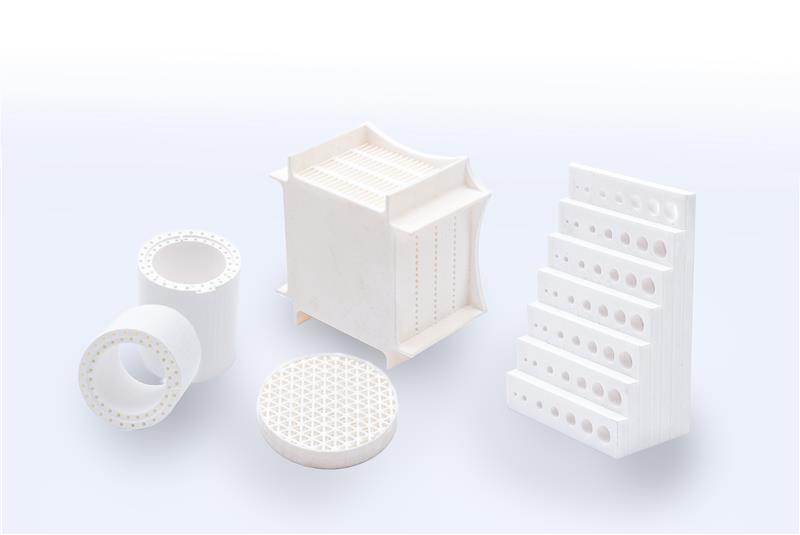
Ceramic 3D Printing Solutions for High-Performance Industries
Explore Prodways CERAM PRO ceramic 3D printing systems with Lodestar 3D for investment casting, foundry cores, aerospace, automotive, semiconductors, oil & gas, research and general engineering applications in India.
Produce Complex Technical Ceramic Parts Without Conventional Geometry Constraints
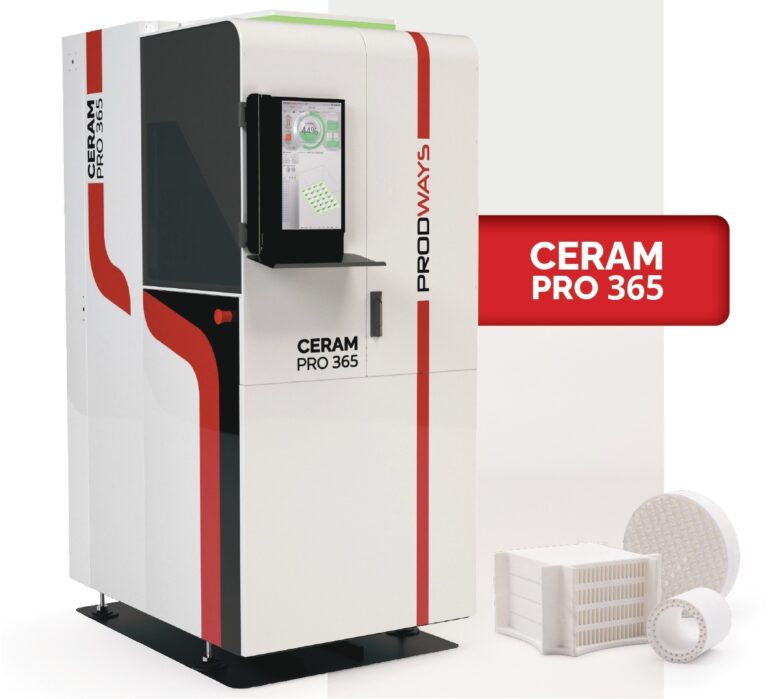
Ceramic additive manufacturing uses digital production methods to create complex ceramic shapes layer by layer. Prodways CERAM PRO systems use MOVINGLight® top-down DLP technology for applications ranging from investment casting and technical ceramics to research-oriented material development.
The platform supports different wavelength configurations and modular build platforms, allowing users to evaluate the system according to material, resolution, build size, throughput and development requirements.
Support medium- and large-format metal additive manufacturing.
Use wire feedstock for automated robotic deposition.
Evaluate suitable components for repair, rebuilding or modification.
Support industrial production, tooling, prototyping and WAAM research.
Relevant Industry Sectors
Industries Using Ceramic 3D Printing Technology
Prodways identifies ceramic additive manufacturing applications across casting, aerospace, automotive, semiconductor, oil & gas, research and general engineering environments.
Investment Casting
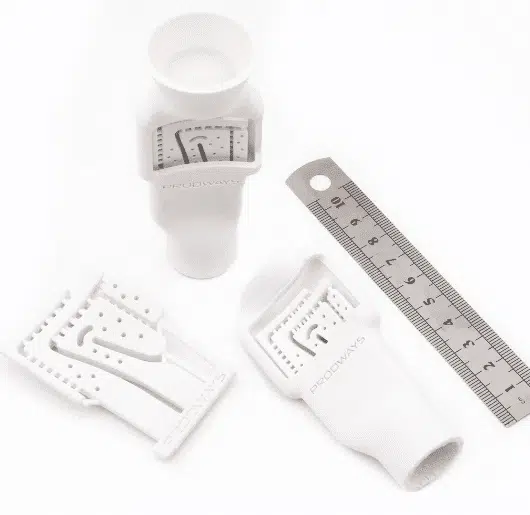
Ceramic 3D printing can create complex cores and mould-related geometries for investment casting, including intricate internal passages that are difficult to manufacture with conventional tooling.
Foundry Cores
Additive manufacturing can produce intricate ceramic foundry cores directly from digital geometry, supporting development and production routes that require complex internal features.
Research & Development
Open-parameter CERAM PRO configurations support laboratories and R&D teams evaluating ceramic formulations, process parameters, build strategies and new applications.
Aerospace & Defense
Ceramic additive manufacturing supports development of high-detail components, casting cores and technical ceramic parts for demanding aerospace and defense applications.
Automotive
Automotive engineering teams can evaluate ceramic 3D printing for prototypes, specialised technical ceramic parts, casting workflows and development applications.
General Engineering
General engineering applications can include custom technical ceramics, prototypes, functional components and specialised geometries suited to additive production.
Semiconductors
Advanced ceramics are relevant to semiconductor applications requiring precision, temperature resistance and specialised material behaviour.
Oil & Gas
Ceramic additive manufacturing can be evaluated for selected technical components where complex geometry and ceramic material properties are relevant to the application.
Industry Value
What Ceramic Additive Manufacturing Can Change
Results depend on ceramic formulation, geometry and validated processing, but digital ceramic production can provide important advantages for suitable industrial applications.
1
Complexity
Create detailed shapes and internal geometries that may be difficult to tool conventionally.
2
Precision
Use high-resolution DLP exposure for detailed ceramic parts and casting features.
3
Tooling
Reduce dependence on dedicated tooling for suitable digital production workflows.
4
Development
Move from digital design to physical ceramic prototypes and process studies.
5
Flexibility
Select wavelength, build platform and material approach according to application needs.
Cross-Industry Applications
How Industries Use Ceramic Additive Manufacturing
CERAM PRO systems can support different ceramic workflows from precision casting applications to technical ceramic research.
Investment Casting Cores
Produce complex ceramic core geometries for investment casting, including intricate channels and internal features.
Foundry Core Production
Manufacture detailed ceramic foundry cores directly from digital models without relying on the same tooling route as conventional core production.
Technical Ceramic Components
Create high-detail ceramic components for selected industrial, engineering and high-temperature applications.
Alumina Ceramic Parts
Evaluate alumina-based ceramic workflows for technical parts requiring the properties of advanced ceramic materials.
Prototype & Geometry Validation
Produce physical ceramic parts to evaluate geometry, design changes and application feasibility before wider implementation.
Materials & R&D
Study ceramic slurries, wavelength response, exposure parameters, build strategies and application-specific material development.
Prodways CERAM PRO Systems Through Lodestar 3D
Choose a Ceramic 3D Printer for Your Application
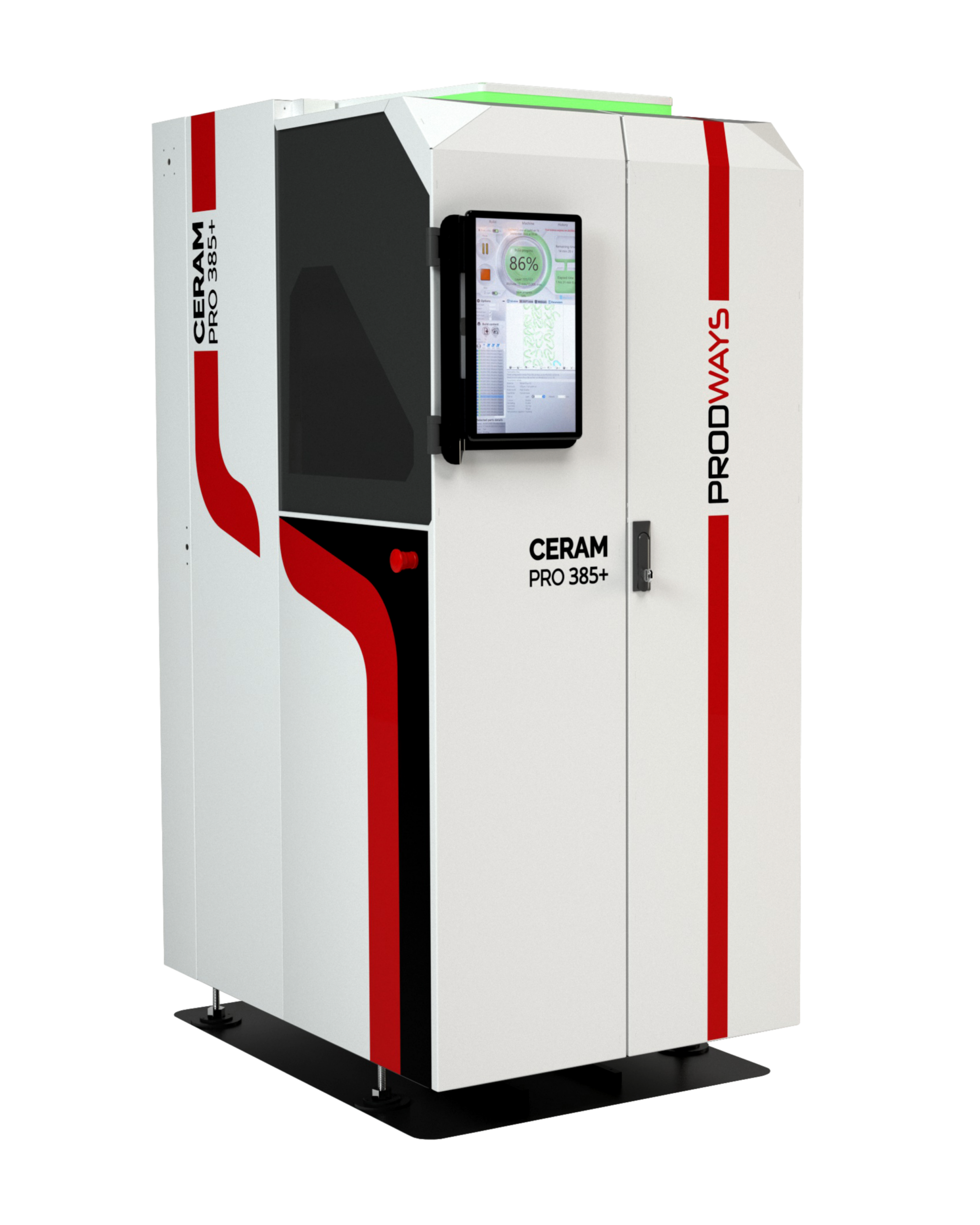
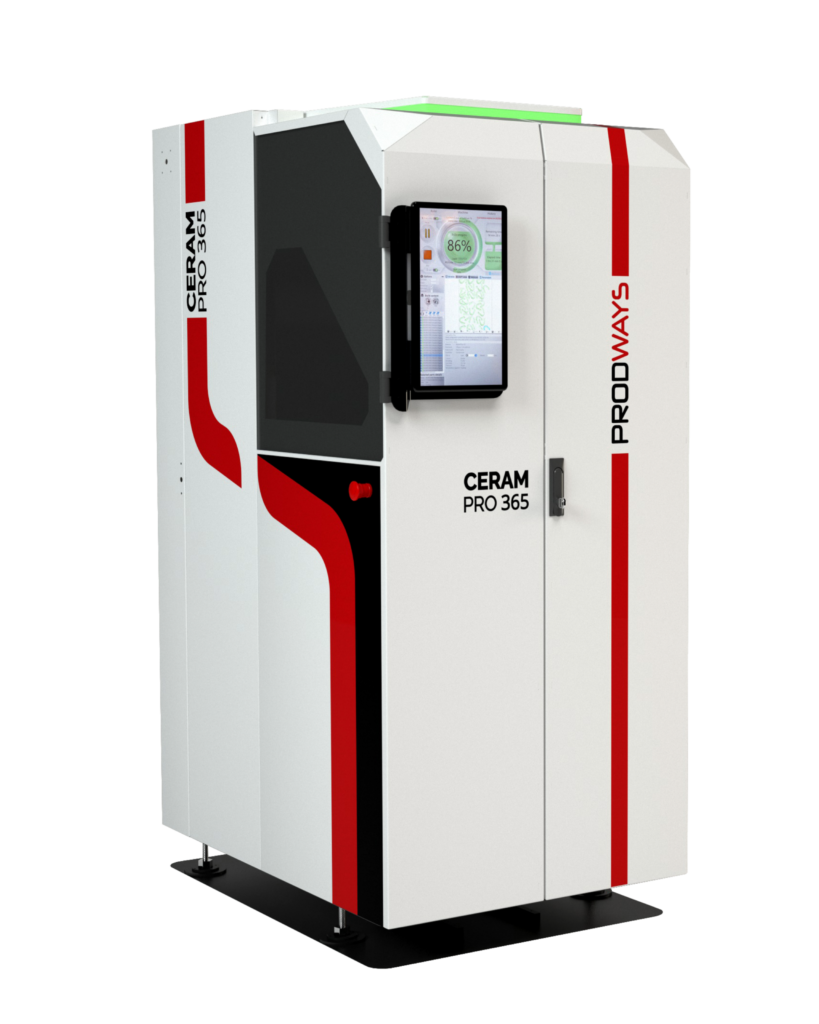
The CERAM PRO portfolio provides 365 nm, 385 nm and 405 nm configurations. System selection depends on material workflow, resolution, wavelength, throughput and R&D requirements.
CERAM PRO 365
CERAM PRO 365 uses a 365 nm UV-LED DLP configuration and is positioned for high-resolution ceramic printing with defined compatible material workflows.
CERAM PRO 385 is designed around a 385 nm wavelength with open parameters for technical ceramics and R&D. The 385+ variant adds a second DLP head for increased throughput.
CERAM PRO 405 provides a 405 nm ceramic DLP configuration for open-material and R&D applications. The 405+ option is intended for users requiring higher-throughput dual-head configurations.
Evaluate Prodways Ceramic 3D Printing with Lodestar 3D
Lodestar 3D helps Indian manufacturers, foundries, research organisations and engineering teams structure ceramic additive manufacturing requirements before selecting a CERAM PRO system.
Application Review: Define the ceramic component, casting requirement, research objective or industrial use case.
System Selection: Compare 365 nm, 385 nm and 405 nm configurations according to material and process needs.
Material & Process Discussion: Document the ceramic formulation, resolution, build size and development requirements for technical evaluation.
Project Coordination: Coordinate technical and commercial discussions for the selected ceramic additive manufacturing configuration.
Prodways identifies applications including investment casting, foundry cores, aerospace and defense, automotive, research and development, semiconductors, oil and gas, and general engineering.
CERAM PRO 365 is a high-resolution 365 nm ceramic DLP system intended for ceramic applications including investment casting, technical ceramics and development workflows using compatible ceramic materials.
CERAM PRO 385 uses a single 385 nm DLP head, while CERAM PRO 385+ adds a second DLP head to increase throughput while retaining the same wavelength platform.
CERAM PRO 405 uses a 405 nm DLP configuration for open-material and R&D applications. The 405+ configuration adds dual-head capability for higher throughput.
Yes. Ceramic additive manufacturing can produce complex ceramic cores and mould-related geometries for investment casting, including intricate internal features.
Lodestar 3D can help structure the application, material, wavelength, build size, resolution and development requirements before evaluating an appropriate CERAM PRO configuration.
Find the Right Prodways CERAM PRO System with Lodestar 3D
Share your industry, ceramic material, component dimensions, application, desired wavelength, build requirements and development goals with Lodestar 3D.